
Bunding Solutions by Type
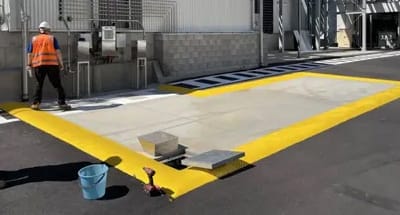
Rubber Floor Bunding
Heavy-duty, low-profile floor bunding for fixed containment zones in warehouses, workshops, wash bays, and other industrial areas.
- Suited to permanent installed containment
- Designed for defined spill-control areas with occasional forklift or vehicle access
- Commonly used for oils, fuels, chemicals, and wash water
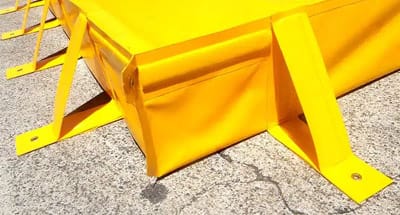
Portable Bunding
Relocatable spill containment for temporary worksites, maintenance zones, and changing site layouts where installed bunding is not practical.
- Suited to larger portable containment areas
- Commonly used for field operations, mobile equipment, and temporary storage
- Can be deployed and relocated as site conditions change
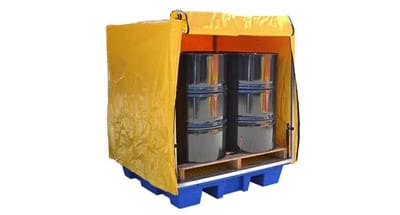
Bunded Pallets
Container-level spill containment for storing drums and IBCs containing oils, chemicals, fuels, and hazardous liquids.
- Designed for compliant drum and IBC storage
- Integrated sump captures leaks and spills at source
- Suitable for warehouses, chemical stores, and covered outdoor areas
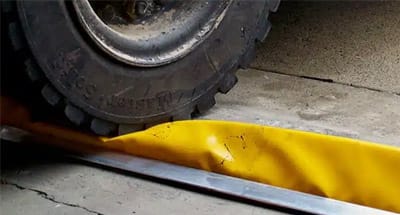
Flexible Floor Bunding
Drive-over floor bunding for doorways, thresholds, and containment edges that forklifts or vehicles need to cross repeatedly.
- Designed for access points and high-traffic crossing areas
- Compressible profile allows vehicles and forklifts to pass without removing the bund
- Commonly used where rigid or fixed bund edges would disrupt movement

Temporary Bunding
Fast-deploy containment for short-term spill response, maintenance tasks, interim liquid control, and emergency situations.
- Ideal for emergency spill response and short-duration containment
- Lightweight, foldable, and easy to deploy or store
- Commonly used where installed or larger portable bunding is not required
What Are Bunding Systems?
Bunding systems are secondary containment products used to prevent oils, fuels, chemicals, wash water, flammable liquids, and other hazardous liquids from escaping into surrounding areas. In industrial and commercial environments, bunding is used to help manage spill risk, protect stormwater systems, and support environmental and workplace compliance requirements.
Trade Enviro supplies bunding systems for warehouses, workshops, wash bays, depots, storage tanks, drum storage areas, and fuel handling zones – including fixed floor bunding, flexible drive-over bunding, portable bunding, temporary containment, and bunded pallets for drums and IBCs.
How to Choose the Right Bunding System
The most suitable bunding system depends on how the area is used, what liquids are being managed, whether vehicles need access, and whether containment is temporary, relocatable, or permanently installed.
The table below compares the main bunding solutions used in Australian industrial environments and when each option is typically used.
| Bunding Solution | Best For | Typical Applications | |
|---|---|---|---|
| Rubber Floor Bunding | Fixed containment zones with occasional vehicle access | Warehouses, wash bays, factories | Rubber Floor Bunding → |
| Flexible Floor Bunding | Drive-over thresholds and repeated vehicle crossings | Doorways, roller doors, access points | Flexible Floor Bunding → |
| Portable Bunding | Relocatable containment at temporary or changing sites | Temporary worksites, remote operations | Portable Bunding → |
| Temporary Bunding | Short-term or emergency spill containment | Spill response, leaking drums | Temporary Bunding → |
| Bunded Pallets | Drum and IBC storage | Chemical and fuel storage areas | Bunded Pallets → |
When Is Bunding Required?
Bunding is typically required whenever liquids are stored, handled, or used in a way that could result in spills entering stormwater, soil, or surrounding environments.
In practice, bunding is most commonly used on sites managing oils, fuels, chemicals, wash water, or other controlled liquids where accidental leaks, overflows, or routine wash-down activities may occur.
Bunding is commonly required or expected when:
- Drums, IBCs, or containers holding hazardous or polluting liquids are stored on site
- Vehicle wash bays, maintenance areas, or workshops generate wash water or runoff
- Plant or equipment presents a risk of hydraulic leaks or fuel spills
- Spills could flow into stormwater drains, open ground, or waterways
- Sites operate under council, EPA, or internal environmental management requirements
Requirements can vary depending on factors such as the type of liquid, site layout, drainage connections, and whether containment is temporary or permanent. In many cases, bunding forms part of a broader spill control or environmental management approach rather than acting as a standalone requirement.
If bunding is needed, the most suitable solution will depend on how the area is used, whether vehicles require access, and how long containment is required from temporary spill response through to permanent containment systems.
Supplied Australia-Wide
Trade Enviro supplies bunding solutions to warehouses, workshops, transport depots, construction sites, and industrial facilities across Australia.
Our bunding systems are commonly used to contain:
- Oils, fuels, and lubricants
- Chemicals and hazardous liquids
- Wash bay runoff and contaminated wash water
- Hydraulic leaks and equipment spills
If you’re assessing bunding for your site, we can help determine the most suitable option based on:
- Whether containment needs to be permanent, portable, or temporary
- Whether forklifts or vehicles require access
- The type of liquid being stored or handled
- Drainage layout and stormwater risk
- Storage volumes and secondary containment expectations
Learn More About Bunding
- Bunding for Spill Containment: What It Is and Why It Matters
- How to Choose the Right Spill Bund
- Why Floor Bunding Fails at the Joints
- Bunding Without Drilling: How to Stay Compliant Without Touching the Slab
Bunding FAQs
Is bunding a legal requirement in Australia?
Bunding requirements vary depending on the type of liquid, site layout, drainage connections, and local regulations. It is commonly required or expected that spills could impact stormwater or the environment.
What types of liquids typically require bunding?
Bunding is commonly used for oils, fuels, chemicals, wash water, and other liquids that could cause environmental harm if spilled or released.
Can vehicles or forklifts drive over bunding?
Some bunding solutions are designed to allow vehicle or forklift access, while others are not. The appropriate option depends on how the area is used and whether traffic access is required.
How do I choose the right bunding solution?
The right solution depends on the liquid being managed, whether containment is temporary or permanent, vehicle access needs, and site conditions. Comparing bunding types or seeking expert advice can help clarify the best option.