
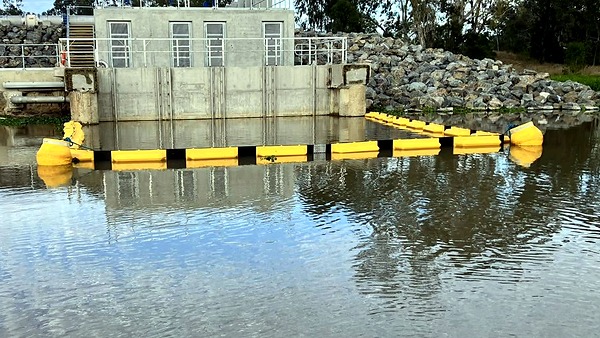
Trade Enviro is an Australian supplier of floating containment booms, supporting industrial, council, and marine operators with correctly specified containment solutions.
A floating containment boom is a buoyant surface barrier designed to contain or deflect floating pollutants such as oil, fuel, and debris in waterways, ports, and industrial marine environments.
Trusted by industrial operators across Australia






Choose the Right Floating Barrier
The correct barrier depends on what must be controlled and the site’s water conditions. Use this selector to avoid combining different product intents:
- General surface containment or deflection: continue with the floating containment boom configurations on this page.
- Oil or fuel spills: review oil containment booms for spill response and recovery applications.
- Weed, litter or organic debris: compare floating weed and debris booms.
- Suspended sediment or turbidity: review floating silt curtains.
See the complete marine containment range, or discuss the waterbody, pollutant, exposure, required length and deployment duration with Trade Enviro before selection.
What Are Floating Containment Booms Used For?
Floating containment booms are used to control and manage floating pollutants and debris in marine and inland water environments. Typical applications include:
- Oil spill containment
Used to contain and control oil and fuel spills on water surfaces, limiting spread and assisting recovery operations. - Debris control and deflection
Floating booms are commonly deployed to collect or redirect floating debris in waterways, ports, and industrial marine areas. - Environmental protection during works
Used around marine construction, dredging, or maintenance activities to isolate sensitive areas and manage surface contamination. - Emergency response and temporary deployment
Suitable for rapid deployment where immediate containment is required.
Floating Containment Boom Configurations Available
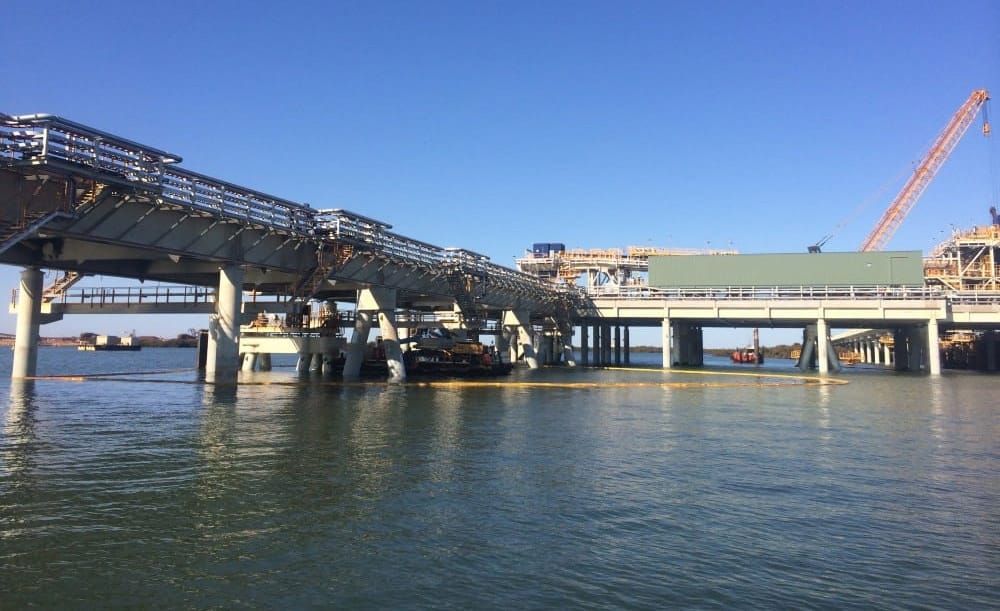
Selection depends on water conditions, contaminant type, and deployment requirements.
Key considerations include:
- Required freeboard and draft based on spill type
- Water flow, wave action, and exposure
- Temporary vs permanent deployment
- Length, anchoring method, and connector compatibility
Incorrect specification can reduce containment effectiveness. Configuration is typically confirmed prior to supply.
| Model Number | Casing Material | Free Board | Draft |
|---|---|---|---|
| CB450-class 1 | 680gsm PVC | 150mm | 300mm |
| CB650-class 1 | 680gsm PVC | 200mm | 450mm |
| CB900-class 1 | 680gsm PVC | 250mm | 650mm |
| CB1000-heavy duty (ocean boom) | 900gsm | 260mm | 740mm |
Technical definitions
- Freeboard: Distance from waterline to top of float chamber
- Draft: Distance from waterline to bottom of curtain
- Skirt: Material between the float and the ballast chain pocket
- Ballast: Galvanised chain providing stability at the curtain base
- Connector: ASTM standard Z-connector system