
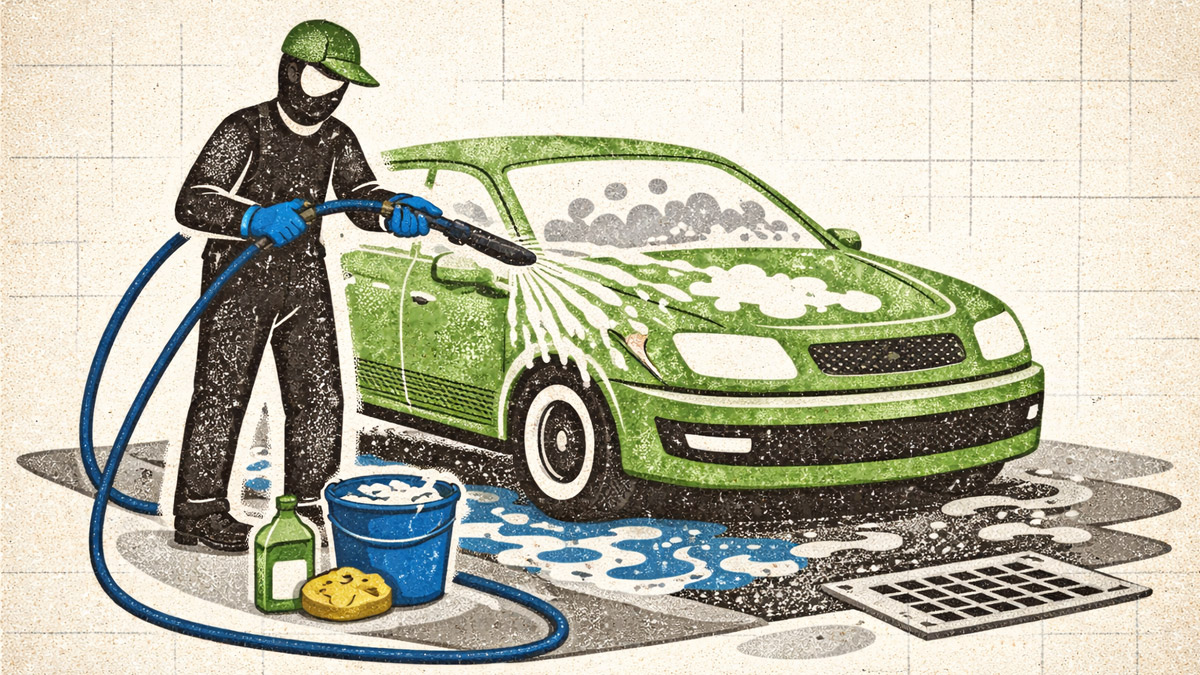
Car washing can be a significant cause of water pollution if it is not adequately controlled. Using soaps and solvents to clean cars is an effective way of removing dirt and grease, but they also wash toxic pollutants into the wastewater.
In the following guide, we’re going to discuss effective wastewater diversion and treatment systems for wash bays.
Key Points
- Strict Liability: Discharging wash water into stormwater drains is illegal in Australia. Business owners face heavy fines for non-compliance.
- The “Traffic Control” Rule: You need a Diversion System to direct dirty water to the sewer, and a Treatment System to clean it before it gets there.
The Australian Car Wash Association (ACWA) reports that washing a single car can produce 750 millilitres of contaminated sludge. This commonly contains hydrocarbons (fuel and grease residues), surfactants, and heavy metals, including lead, copper, and zinc.
If this wastewater is not captured, it runs into the stormwater system, potentially polluting local waterways and damaging aquatic ecosystems.
Washwater Compliance
When a car is washed at a commercial facility, strict regulations apply. You cannot simply let the water run down the driveway.
Businesses that regularly wash vehicles must have measures in place to capture the wash water and send it to the Sewer System (via a Trade Waste Agreement) or a holding tank.
- Failure to comply: Risks prosecution by the EPA and local council.
- Benefit of compliance: Reassures customers and neighbours that you are operating in an environmentally responsible manner.
The right management system depends on your site conditions.
Portable Wash Bay Solutions (Temporary or Leased Sites)
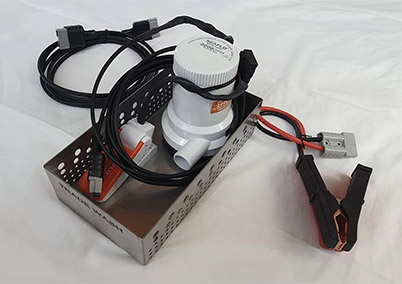
For leased properties or sites where excavation is impossible, a Portable Wash Bay offers a complete wash down wastewater solution.
While the visible part of the system is the heavy-duty containment mat, the core of the solution is the active transfer of wastewater. These systems typically utilise a 12V pump to efficiently move washdown water from the mat to a designated management point.
This setup gives you two compliant ways to manage your runoff:
Option A: Capture & Hold (Holding Tank)
For sites without access to a sewer connection, the 12V pump can be used to transfer wastewater directly into a Holding Tank.
- Process: Wash vehicle -> Capture on mat -> Pump to tank.
- Disposal: A licensed liquid waste contractor pumps out the tank periodically.
- Best For: Remote sites, short-term projects, or sites with no sewer access.
Option B: Treat & Discharge (Oil Water Separator)
For sites with a sewer connection, it is often more economical to treat the water on-site rather than paying for constant pump-outs.
- Process: Water is pumped from the mat -> Through an Oil Water Separator -> Discharged to sewer (under a Trade Waste agreement).
- Best For: High-volume washing where contractor pump-out fees would be prohibitive.
These systems can be supplied as standalone units or full-scale turnkey systems, including the wash mat, pumps, and treatment components. While a treatment system requires a higher upfront investment, it often pays for itself by eliminating ongoing waste disposal costs.
Unsure What Your Site Requires?
Speak with our team before committing to equipment or installation. We’ll help confirm the right containment, washdown, or stormwater solution for your site.
- Leased, temporary or fixed site conditions
- Trade waste or EPA compliance questions
- Need confirmation before purchasing or installing
No obligation • Compliance-focused advice tailored to your site
Automated Diversion Systems
Automated washdown diversion systems are ideal for permanent washdown facilities. They act as “traffic controllers,” ensuring contaminated water is diverted while allowing clean rainwater to pass through.
The DD600 Wash Down Diversion System
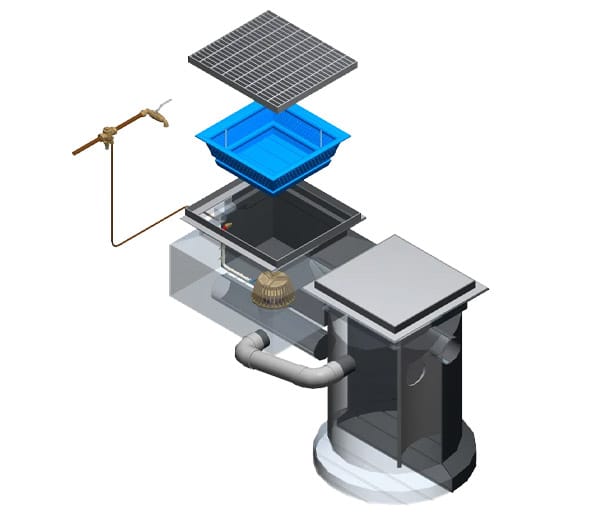
The DD600 System protects the stormwater network during active washing.
- Operation: When wash taps are turned on, this triggers the opening of a valve, diverting all the wash water to a holding tank (or treatment system) and preventing pollutants from entering stormwater drains.
- Rain Mode: Once you have finished washing, the valve automatically closes, meaning that any rainwater will flow to the stormwater drainage system as normal.
The FF600 First Flush System
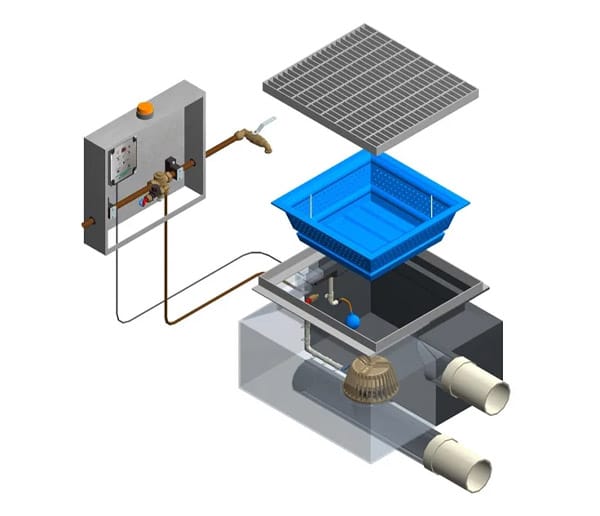
The FF600 System is engineered for stormwater runoff on unroofed wash bays.
Diversion: The control ensures this dirty initial runoff is captured. The system can be programmed to accommodate the necessary volume depending on your site’s wash surface area and regulatory requirements.
Operation: It is designed to manage the “first flush” of water occurring at the beginning of a rainfall event, which carries the accumulated dust and oil from the concrete.
The Treatment Stage: Oil Water Separators
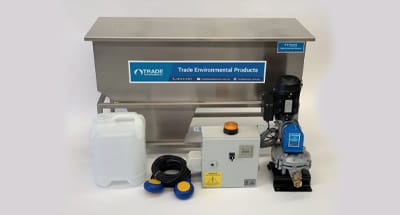
Capturing the water is only half the battle. Before wash water can be legally released into the sewer, it must be treated to remove contaminants.
Oil Water Separators (OWS) are the industry standard for this type of application. They physically separate oil and sludge from the water.
- Inlet: Oily wash water is pumped into the separator.
- Separation: Using coalescing plates or vertical gravity, the system forces oil droplets to float to the top and sludge to sink to the bottom.
- Discharge: The “clean” water in the middle is released to the sewer (meeting Trade Waste standards), while the waste oil is trapped for collection.
Maintenance & Servicing
The ideal wastewater solution provides peace of mind, knowing it will deal with your contaminated water and avoid the risk of human error causing costly pollution incidents.
However, for all wastewater systems, servicing is required to ensure the system continues to work as designed.
We recommend that servicing is carried out every three months to reduce costs, prevent blockages, and minimize potential downtime.
Frequently Asked Questions (FAQ)
Can I wash cars on the grass?
For a commercial business, generally no. Washing on grass allows chemicals and heavy metals to leach into the groundwater. Most councils require a sealed, bunded area with a proper disposal method.
Do I need a roof over my wash bay?
Not necessarily. While a roof prevents rain from filling your trade waste system (saving on treatment charges), an Unroofed Wash Bay is legal if you install a diversion system to manage the rainfall.
Can I upgrade an existing concrete slab?
Yes. You can often retrofit an existing concrete area with bunds to contain the water, and install a diversion valve into the existing plumbing line.
Summary
Whether you are a mechanic, a car detailer, or a transport fleet operator, you have a legal duty to prevent wash water from entering the stormwater system.
- Capture it: Use a Portable Wash Bay.
- Divert it: Use an Automated Diversion System.
- Treat it: Use an Oil Water Separator.
Need help designing your system? Trade Enviro can supply standalone components or full-scale turnkey packages. Contact us today for a compliance assessment.