

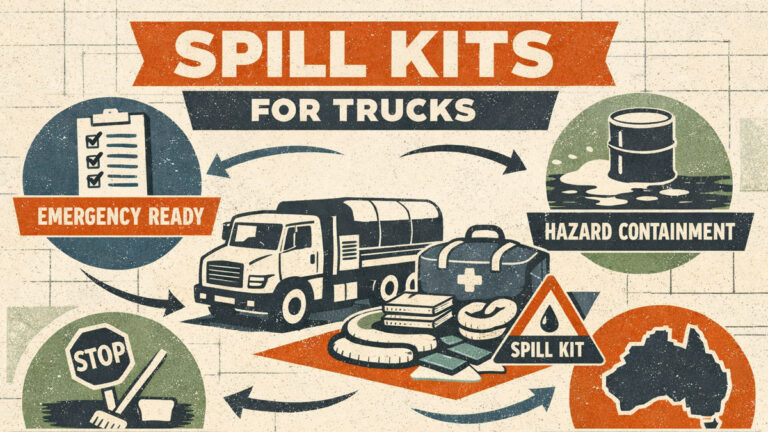
Trucks and commercial vehicles carry an unavoidable spill risk.
Hydraulic hose failures, ruptured brake lines, fuel leaks during maintenance, and minor mechanical issues can all result in the discharge of oils, fuels or other fluids.
When that happens, the responsibility sits with the operator.
A small roadside spill can quickly turn into:
- Project delays
- Clean-up costs
- Environmental fines
- Reputational damage
Having a suitable spill kit in your truck is essential for protecting your business, your contract and your credibility.
Why Trucks Need Spill Kits
Most truck-related spills aren’t catastrophic freight incidents. They’re everyday failures:
- Hydraulic line rupture
- Fuel spill during refuelling
- Oil leak in a client’s driveway
- Coolant discharge at a depot
These incidents are usually small – but highly visible. It’s this visibility that creates problems.
A spill in a customer’s yard or on a public roadway puts the operator under immediate scrutiny. If there’s no spill kit on board, the situation escalates quickly.
Prepared operators control the incident. Unprepared operators explain themselves.
What Type of Spill Kit Should a Truck Carry?
Selection is simple when you focus on the actual risk.
There are three core spill kit types.
General Purpose (Universal) Spill Kits
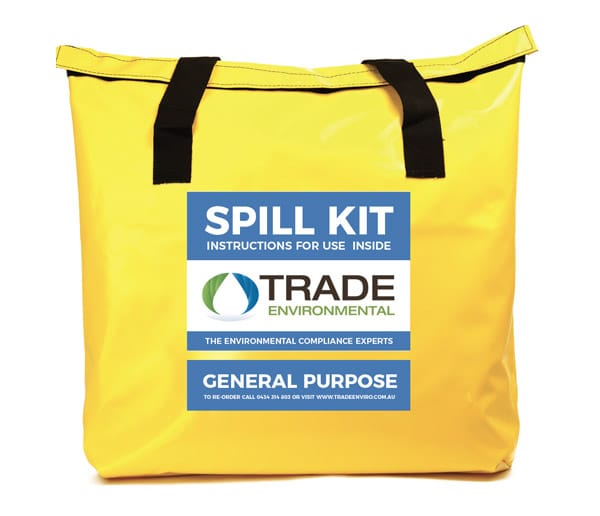
Suitable for most truck applications.
They absorb:
- Oils
- Fuels
- Coolants
- Brake fluids
- Water-based liquids
For most delivery vehicles and service trucks, this is the practical choice.
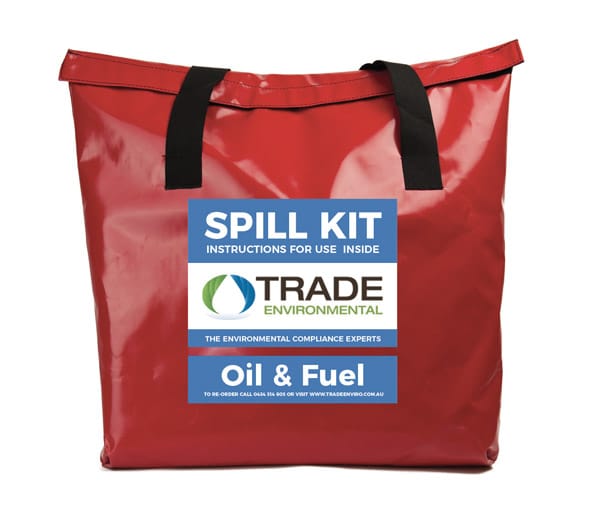
Oil & Fuel Spill Kits
Designed specifically for hydrocarbons.
Absorb oil and fuel while repelling water.
Recommended where diesel or oil leaks are the primary concern – especially where spills may occur near drains or waterways.
Hazardous Chemical (HAZCHEM) Spill Kits
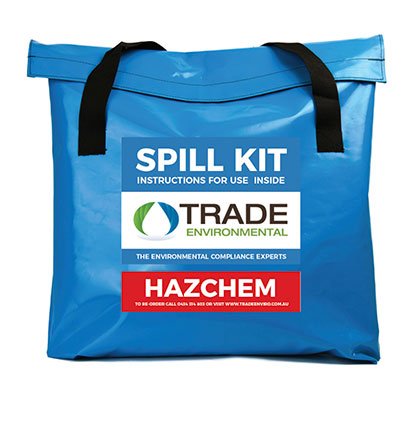
Required where aggressive or toxic chemicals are handled.
Selection should be based on:
- Safety Data Sheets
- Chemical compatibility
- Required PPE
- Internal safety procedures
If chemicals are part of your operation, proper kit selection and training are essential.
Unsure What Your Site Requires?
Speak with our team before committing to equipment or installation. We’ll help confirm the right containment, washdown, or stormwater solution for your site.
- Leased, temporary or fixed site conditions
- Trade waste or EPA compliance questions
- Need confirmation before purchasing or installing
No obligation • Compliance-focused advice tailored to your site
Selecting the Right Kit for Your Vehicle
Truck spill kits should be:
- Sized appropriately for realistic spill scenarios
- Compact and securely stored
- Easily accessible
- Understood by the operator
Most truck incidents involve relatively small volumes. The aim is immediate containment and clean-up. Correct spill kit reduces over-spending while ensuring adequate response capability.
Training and Preparedness
A spill kit is only useful if operators know how to use it.
Drivers should:
- Understand the substances they are carrying
- Know where the kit is located
- Be confident in deploying absorbents quickly
- Follow internal reporting procedures
Correct procedure in cleaning up spills comes from preparation, not manuals.
Why It Matters for Operators
Preparedness protects:
- Contracts
- Company reputation
- Compliance obligations
- Insurance exposure
- Site access
Spill kits for trucks are a simple, practical safeguard.
When something goes wrong, the difference between disruption and control often comes down to what’s in the back of the vehicle.
Summary
For truck operators, spill response is not optional – it’s part of responsible fleet management.
The right spill kit ensures small incidents remain small, protecting contracts, reputation and compliance standing. Prepared businesses respond quickly. Unprepared ones absorb the cost.