
Oil Boom Systems for Spill Preparedness and Response
Not Sure Which Oil Boom You Need?
Most oil containment boom enquiries depend on more than length alone.
Current, wind, waves, tides, deployment method, anchoring requirements and supporting recovery equipment all influence boom performance.
Trade Enviro can help confirm the right boom type, length, anchoring approach, deployment method and supporting recovery equipment before you commit to a purchase.
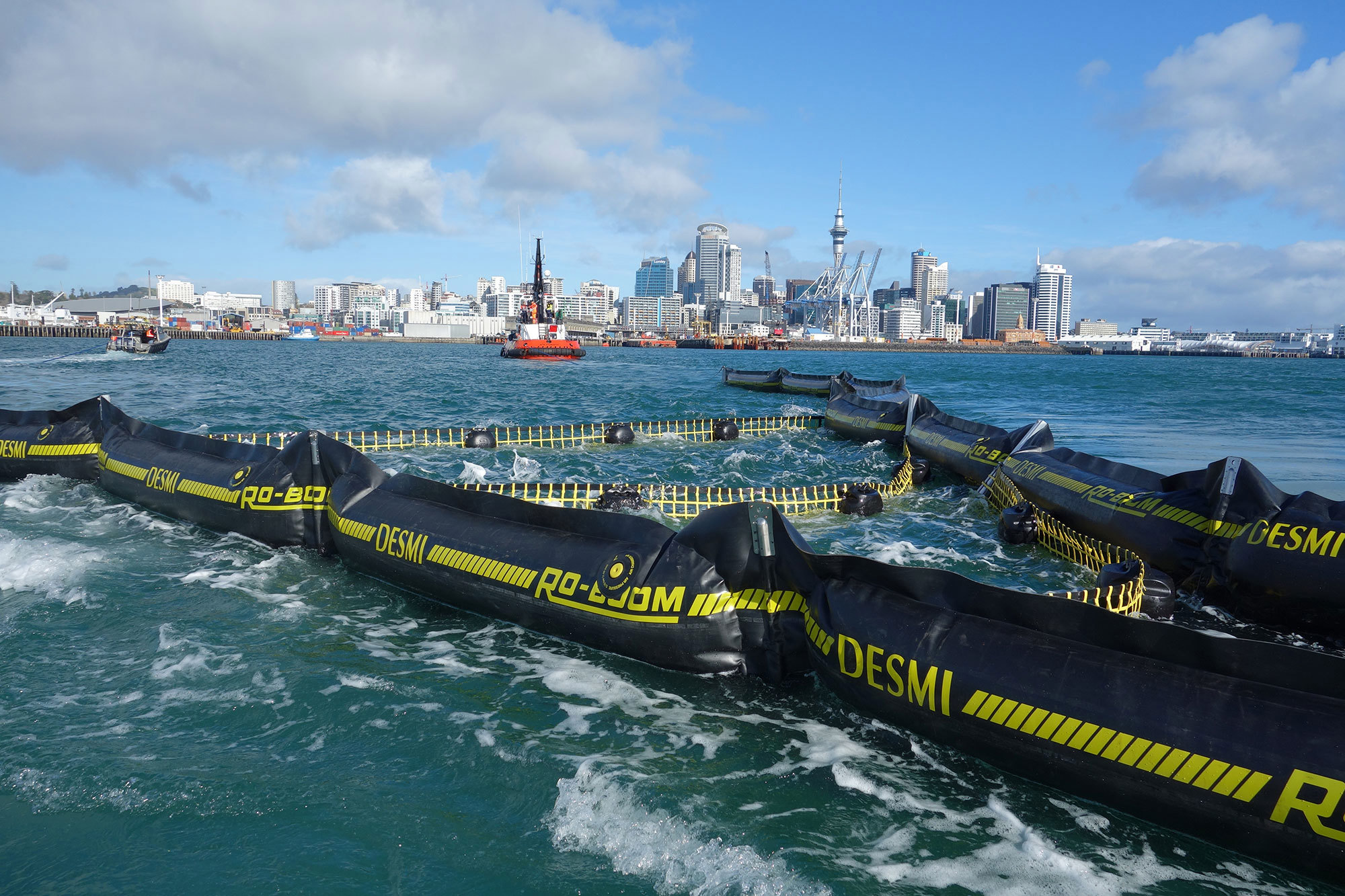
Match the boom to the waterway
Boom selection depends on exposure, current, launch access, sensitive edges and how quickly crews can contain the spill area.
Oil Containment Boom Options
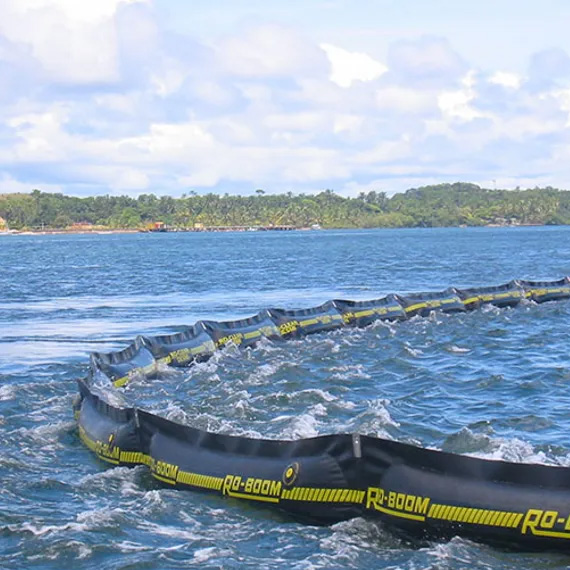
Offshore Oil Booms
For larger marine spill response applications where boom strength, stability, deployment method and recovery planning are critical.
Suitable DESMI Ro-Clean boom options include RO-BOOM, RO-BOOM SPI, DESMI BOOM and Speed Sweep systems, depending on the project requirements.
Best for: offshore support, exposed marine environments, larger spill response planning and vessel-assisted recovery.
Request Boom Advice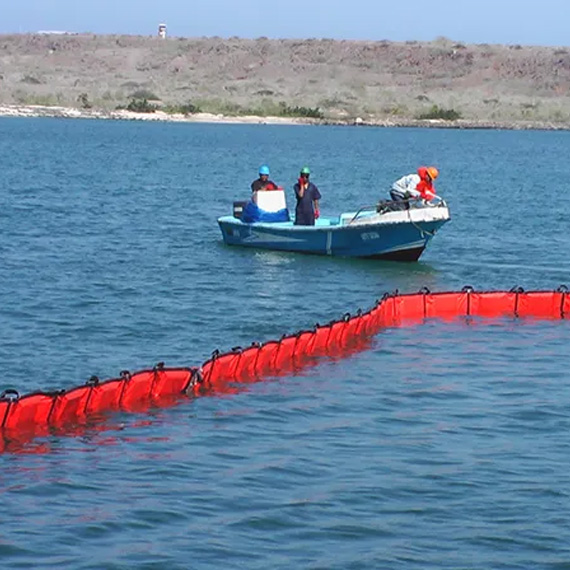
Nearshore Oil Booms
For coastal and semi-exposed water where containment may be required close to shore, around marine works, terminals, regional facilities or sensitive coastal areas.
Suitable DESMI Ro-Clean boom options may include RO-BOOM, RO-BOOM SPI, RO-BOOM Beach, GLOBEBOOM, TroilBOOM GP, TROILBOOM AF, DESMI BOOM and Speed Sweep systems, depending on site conditions.
Best for: nearshore response, coastal protection, marine contractors, terminals and regional spill preparedness.
Discuss Nearshore Booms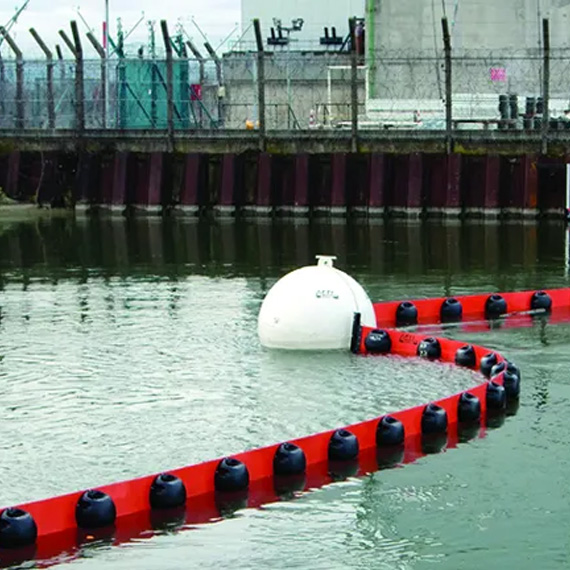
Oil Booms for Ports, Ponds & Harbours
For protected and semi-protected water where oil, diesel or fuel needs to be contained around infrastructure, vessels, terminals or industrial water areas.
Suitable DESMI Ro-Clean boom options may include RO-BOOM, RO-BOOM SPI, RO-BOOM Beach, A-Boom, RO-FENCE, GLOBEBOOM, TroilBOOM GP, TROILBOOM AF and DESMI BOOM, depending on the application.
Best for: ports, harbours, marinas, wharves, fuel-transfer areas, industrial ponds and water intakes.
Discuss Port & Pond Booms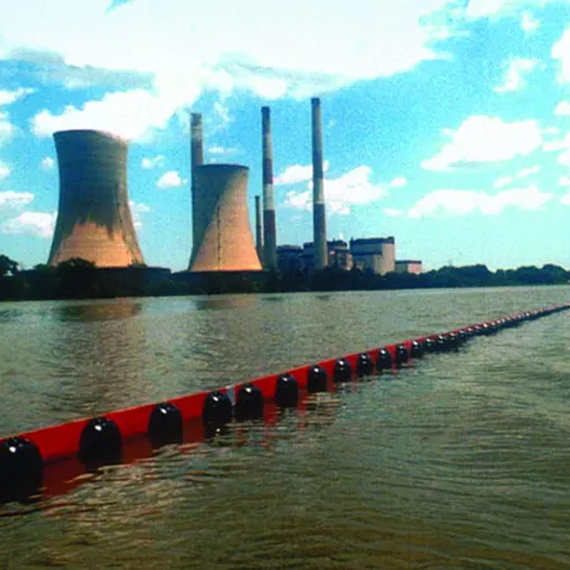
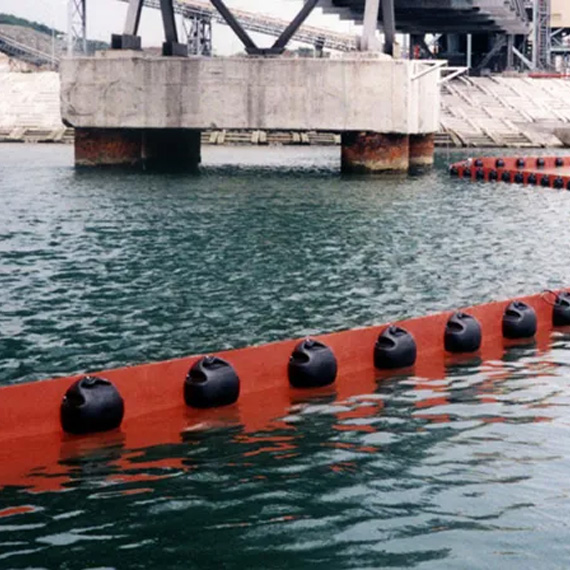
Oil Booms for Rivers & Fast Water
For waterways where current, flow direction, anchoring loads and deployment angles need to be considered before selecting equipment.
Suitable DESMI Ro-Clean boom options may include RO-BOOM, RO-BOOM SPI, RO-BOOM Beach, RO-FENCE, GLOBEBOOM, TroilBOOM GP and TROILBOOM AF, depending on water conditions.
Best for: rivers, canals, moving water, drainage channels and sites where current affects boom performance.
Industrial Oil Booms
For site-based containment where oil, fuel or floating hydrocarbons need to be controlled in industrial water areas.
Suitable DESMI Ro-Clean boom options may include RO-BOOM, RO-BOOM SPI, A-Boom, RO-FENCE, GLOBEBOOM, TroilBOOM GP and TROILBOOM AF, depending on the operating environment.
Best for: industrial ponds, process water areas, pits, treatment zones, mine sites and remote industrial facilities.
Discuss Industrial BoomsStandard Floating Containment Booms vs DESMI Oil Response Booms
Some oil, fuel and floating-pollutant containment projects can be handled with standard floating containment booms, especially where the site is sheltered, the deployment is temporary and the main requirement is to hold or divert material on the water surface. Higher-risk oil spill response projects may need DESMI oil response booms as part of a broader system that includes deployment reels, skimmers, pumps, hoses, temporary storage and vessel or trailer support.
| Requirement | Usually better fit | Why it matters |
|---|---|---|
| General floating barrier for oil, fuel, debris or temporary marine works | Standard floating containment booms | Suitable where containment is the main task and conditions are manageable. |
| Formal oil spill response capability across ports, terminals, offshore or higher-risk sites | DESMI oil response booms | Designed to work within a wider response chain: deploy, contain, recover, transfer and store. |
| Unsure which boom type is appropriate | Ask Trade Enviro to confirm | Site exposure, current, launch method, boom length, recovery equipment and storage pathway can change the best option. |
If you only need a practical floating barrier, start with our standard floating containment booms. If the boom needs to form part of an oil spill response system, Trade Enviro can help confirm the right DESMI boom, deployment and recovery arrangement before quoting.
Deployment Reels, Power Packs and Recovery Support
The boom is only one part of a workable spill response setup. Storage, deployment, anchoring and the recovery pathway need to be considered together so equipment can be mobilised and used effectively at the site.
- Boom storage and deployment reels for faster mobilisation
- Hydraulic reels and power packs matched to the deployment method
- Anchoring, towing, connectors and shoreline attachment requirements
- Oil skimmers, DOP or transfer pumps, hose sets and fittings
- Temporary storage tanks or bladders for recovered oil and oily water
Final equipment selection depends on water conditions, site access, available crew, response-time objectives and whether the system will be deployed from shore, trailer, container or vessel.
Deployment SystemsHow This Fits Into the Oil Spill Response Chain
Containment boom becomes effective only once the deployment method is practical. The right boom depends on launch method, water conditions, freeboard, skirt depth, storage format and how recovered oil will be directed to skimmers.
See Oil Boom Deployment in Operation
This official DESMI video shows rapid A-BOOM deployment, helping buyers understand how boom selection connects to launch speed, crew capability and response readiness.
Boom Choice Depends On
Boom Selection Matrix
The right oil containment boom depends more on water movement, freeboard, deployment method and storage plan than on boom length alone.
| Boom setting | Best suited for | Main watchpoints |
|---|---|---|
| Offshore and exposed coastal water | Robust offshore boom systems for swell, towing and larger response operations | Sea state, towing loads, storage footprint and vessel handling |
| Nearshore and sheltered water | Faster-handling boom systems for estuaries, marinas and calmer coastal sites | Tides, wind exposure and anchoring method |
| Ports, ponds and harbours | Practical containment around wharves, terminals, protected water and industrial response caches | Launch points, vessel traffic and recovery access |
| Rivers and fast-moving water | Angled deployment and control where current is a major factor | Current speed, anchoring loads and bank access |
| Industrial and static risk points | Site-specific boom layouts for drains, loading areas and process-water containment | Chemical compatibility, inspection access and permanent layout constraints |
We can also confirm reel compatibility, end connectors, ballast, anchoring and how the boom will be launched and recovered before quoting.
Common Applications
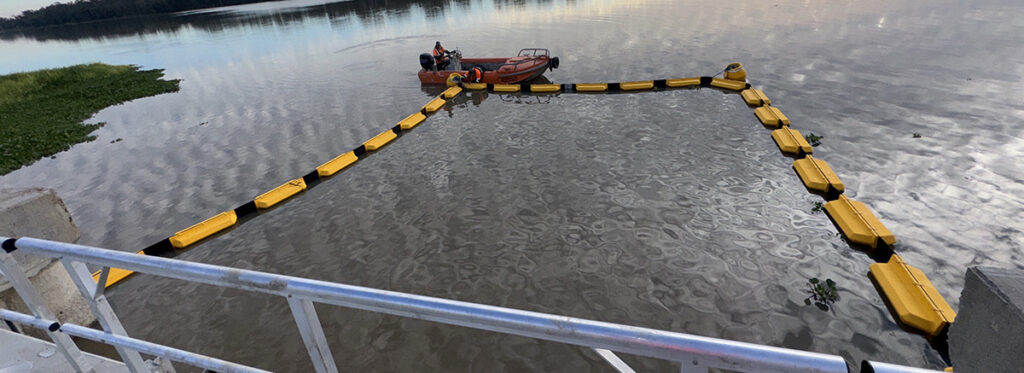
Different spill environments require different boom types, deployment methods and recovery planning. Common applications include:
- Marine oil spill response
- Port and harbour spill preparedness
- Fuel transfer and bunkering areas
- Marinas, wharves and vessel operators
- Mining and remote industrial sites
- PNG and Pacific island operations
- Industrial ponds, pits and process water areas
- Rivers, canals and moving water
- Shoreline and nearshore protection
- Sea water intakes and outfalls
- Dredging and marine construction works
- Government, council and defence facilities
Oil Containment Booms for Australia, PNG and the Pacific
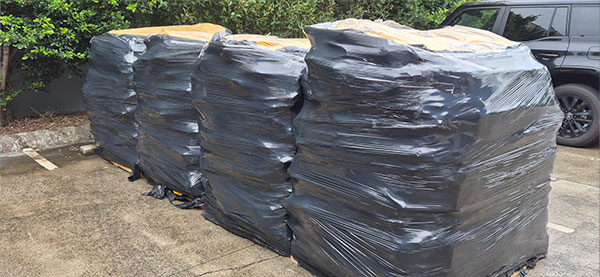
Trade Enviro supports oil containment boom enquiries across Australia, PNG and the Pacific region, including marine, industrial, mining, civil, port, fuel-transfer and remote-site applications.
Recent supply experience includes environmental containment equipment for mining, marine and industrial operators across Australia and Papua New Guinea, including remote-site logistics, fuel-transfer operations, ports, terminals and large-scale containment projects.
That experience helps us understand the practical issues that matter before equipment is quoted — freight, storage, deployment method, site access, water conditions, response time, crew capability and supporting recovery equipment.
Beyond Containment
A Boom Is Only One Part of the Response
A containment boom helps control the spread of oil, diesel or fuel, but it does not recover the oil by itself.
For larger spill risks, the broader response equipment package may also include oil skimmers, transfer pumps, hose sets, temporary storage tanks, deployment equipment and selected spill response consumables.
Trade Enviro can help source oil containment and recovery equipment suited to the wider site requirement, with suitability confirmed before quoting.
Oil Containment Boom FAQs
What is an oil containment boom?
An oil containment boom is a floating barrier used to control the spread of oil, diesel, fuel and hydrocarbons on water.
What type of oil boom do I need?
The right boom depends on the water conditions, oil type, exposure, deployment method, boom length and whether the system needs to support recovery equipment.
Can oil booms be used in PNG or the Pacific?
Yes. Trade Enviro can assist with oil containment boom enquiries for Australia, PNG and Pacific-region projects, including remote and regional sites.
Do I need an oil skimmer as well?
A boom contains oil, but it does not remove it from the water. If oil needs to be recovered, an oil skimmer, pump, hose set and temporary storage may also be required.
What information is needed for a quote?
Useful details include site location, water type, oil or fuel type, boom length, exposure conditions, deployment method, site access and photos or plans if available.
Explore Related Oil Spill Response Equipment
Trade Enviro can help configure DESMI-backed spill response systems that combine containment, recovery, pumping, deployment and temporary storage around the site conditions, water body and response objective.