
Prepare, Contain, Recover, Pump and Store
Trade Enviro helps operators configure oil spill response equipment across the full field chain: deploy, contain, recover, pump, store and support.
For ports, fuel-transfer areas, mines, industrial sites and remote marine projects, response equipment has to work as a system. Booms control the spill area, skimmers recover oil or oily water, pumps move recovered liquid, and temporary storage keeps the operation moving while transfer, treatment or disposal is arranged.
We help specify DESMI Ro-Clean backed equipment around spill risk, site access, water movement, deployment method, crew capability and recovery targets before quoting.
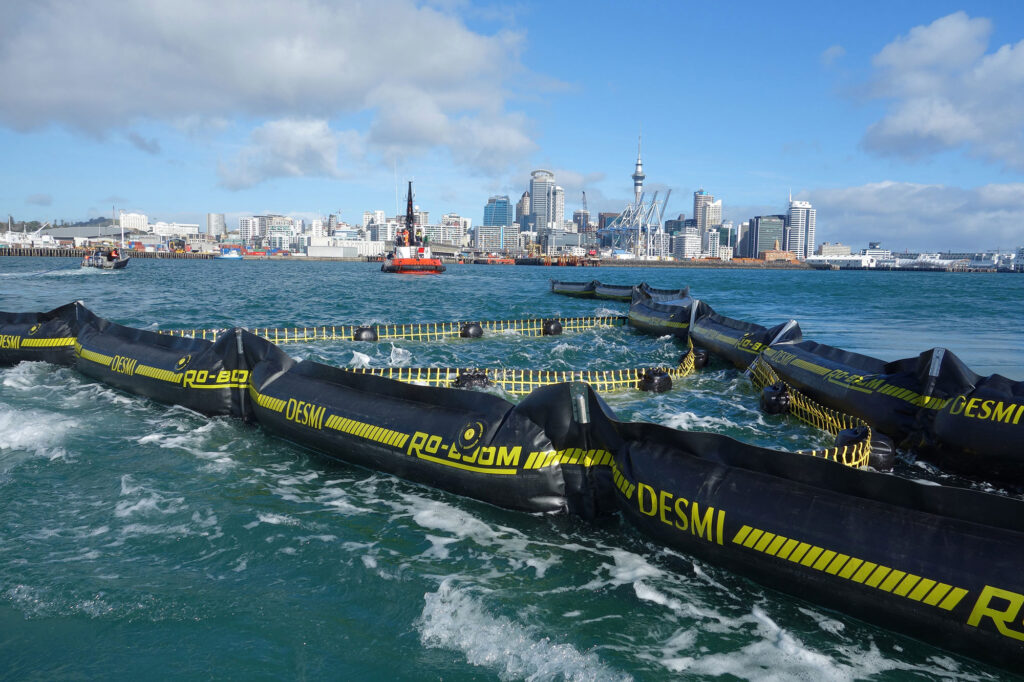
Plan the response around the site
Serious spill response projects usually need containment, recovery, transfer, storage and deployment equipment to work as one field-ready system.
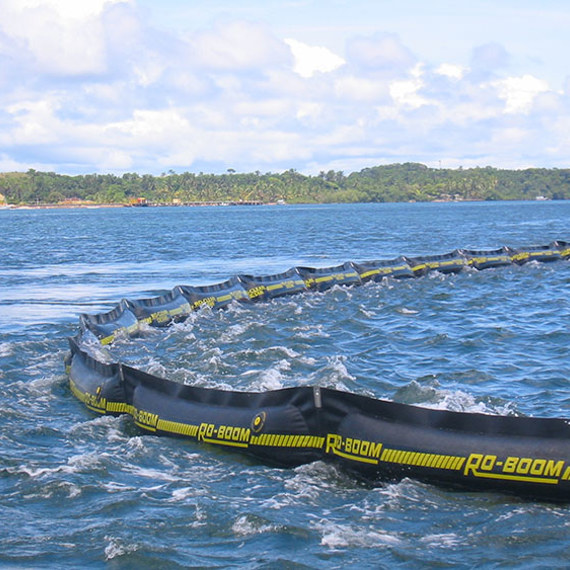
Oil Containment Booms
Floating containment booms for controlling oil, fuel and diesel spills on water.
Request Boom Advice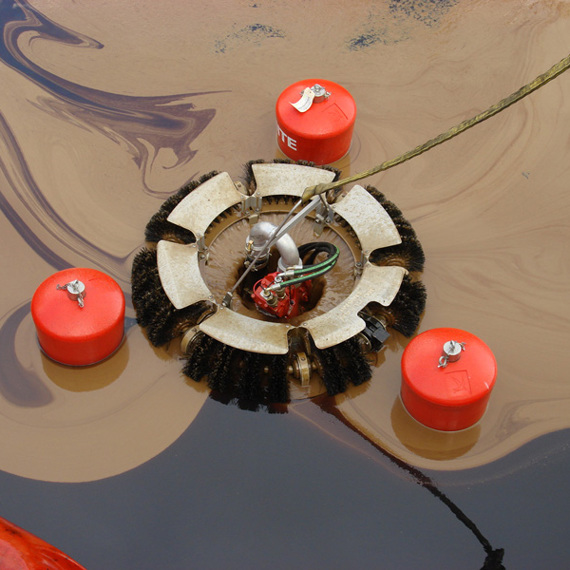
Oil Skimmers
Oil skimmers for recovering floating oil from ports, harbours, ponds, pits and industrial water bodies.
Discuss Skimmer Requirements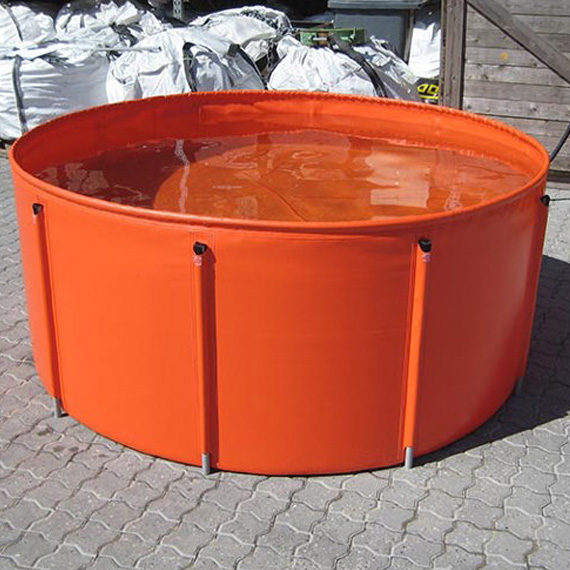
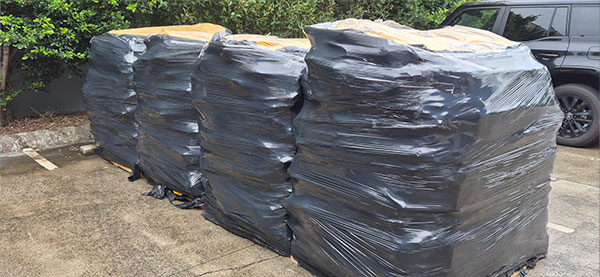
Temporary Storage Tanks & Bladders
Recovered oil storage tanks and bladders for holding oil, oily water and contaminated liquids after skimming or recovery, before transport, disposal or treatment.
Discuss Temporary Storage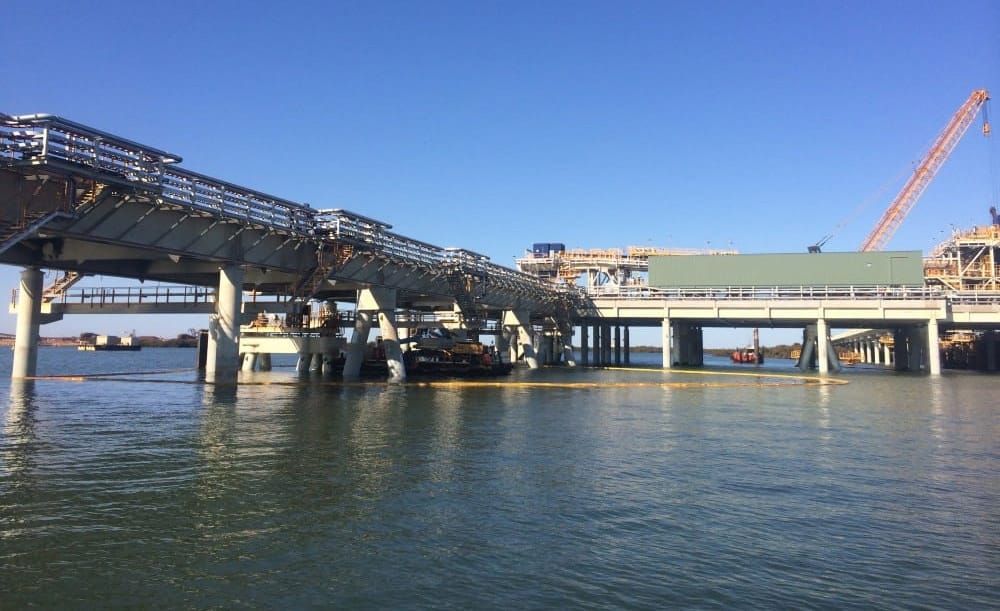
Deployment Systems
Reels, containers, trailers and handling systems designed to make spill equipment quicker and safer to mobilise.
Discuss Deployment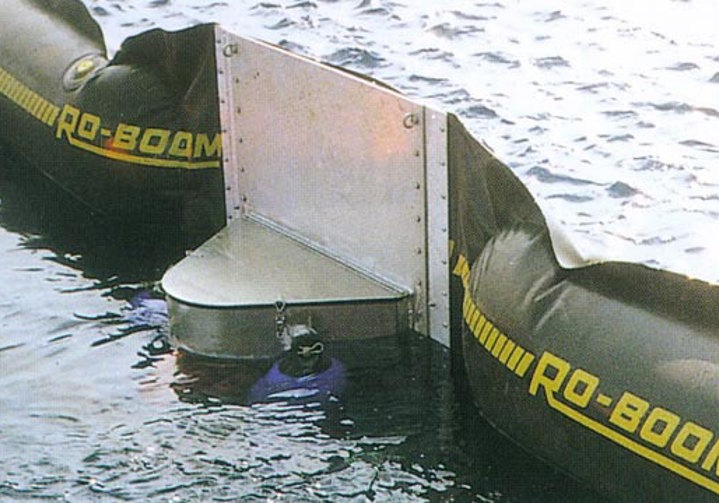
Pumps & Power Packs
Transfer pumps, hydraulic power packs, hoses and fittings for moving recovered oil and operating response equipment.
Discuss Pumping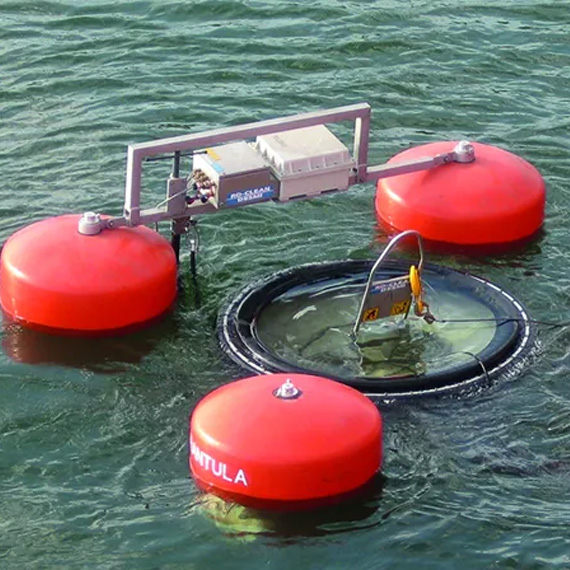
Spill Response Packages
Integrated boom, skimmer, pumping, storage and deployment packages configured around a site-specific spill scenario.
Discuss a Response PackageComplete Spill Response Equipment Capability
Prepared. Equipped. Ready to Respond.
For ports, harbours, terminals, fuel-transfer facilities, mining operations and industrial sites, the objective is not simply to purchase equipment. The equipment needs to be ready for the way a real incident may unfold.
Prepare
Deployment-ready equipment and response planning
Deploy
Rapid mobilisation and incident response
Contain
Control the spread of oil and fuel
Recover
Remove hydrocarbons from the water
Store
Hold recovered liquids safely
Support
Training, planning and technical advice
Specialist Oil Spill Response Equipment Support

Trade Enviro can supply DESMI Ro-Clean oil spill response and recovery equipment for suitable marine, port, harbour, offshore, fuel-transfer, mining, industrial and remote-site applications.
This includes ocean-going and inshore containment booms, oil skimmers, sweep systems, DOP pumps, hydraulic power packs, temporary storage tanks and deployable recovery systems.
For larger spill response planning, we recommend assessing the full recovery chain before selecting equipment. Boom type, skimmer capacity, pump selection, hose runs, power requirements, deployment method, site access and temporary storage all need to work together in real operating conditions.
Trade Enviro can help confirm which equipment is appropriate based on water conditions, oil type, likely spill scenario, recovery objective and deployment constraints.
Discuss DESMI Recovery EquipmentA Practical Oil Spill Response Equipment Framework
Oil spill response planning generally comes down to four practical stages: prepare, contain, recover and store.
Prepare
Preparedness may include deployment-ready boom systems, PPE, signage, storage reels, trailers, response packages and selected absorbents where appropriate. The goal is to have the right equipment accessible before an incident occurs.
Contain
Containment equipment includes oil containment booms, harbour booms, rapid deployment booms and specialist boom systems. These help limit the spread of floating oil, diesel, fuel and hydrocarbons across water surfaces, drains, ponds, harbours or marine work zones.
Recover
Recovery equipment includes oil skimmers, pumps, hoses and hydraulic power packs. Once floating oil has been contained, skimmers and pumps can be used to recover oil or oily water from the surface.
Store
Recovered oil, oily water and contaminated liquids need to be held safely before transport, treatment or disposal. Temporary storage may include open-top tanks, frame tanks, flexible tanks, floating storage bladders or containerised storage systems.
How This Fits Into the Oil Spill Response Chain
A complete oil spill response setup usually starts with deployment, then connects containment, recovery, transfer and temporary storage. The right equipment mix depends on the site, spill risk, oil type, launch method and how recovered liquids will be handled after collection.
See DESMI Oil Spill Response Equipment in Operation
This official DESMI overview shows the type of containment, recovery, deployment and environmental response equipment that can be configured into a practical oil spill response system.
Common Response Planning Scenarios
How Response Equipment Is Usually Scoped
Most response projects are not solved by one standalone product. The equipment needs to form a workable chain around the spill environment, oil type, launch method, recovery rate and temporary storage pathway.
| Response scenario | Usually involves | Key questions before quoting |
|---|---|---|
| Port, terminal and harbour spill response | Oil containment booms, skimmers, pumps, deployment systems and temporary storage | Response time, launch points, vessel access, crew and recovered volume |
| Fuel transfer and bunkering risk | Fast-deployment containment, recovery equipment, transfer pumping and local storage | Transfer point layout, fuel type, tide and current, and whether equipment stays on site |
| Mining, industrial water and lagoon recovery | Skimmers, pumps, storage and site-specific containment equipment | Water conditions, debris, viscosity, access and disposal pathway |
| Remote PNG and Pacific inventory | Containerised response packages with booms, skimmers, power packs, spares and storage | Freight dimensions, storage conditions, inspection planning, training and replenishment |
If you already know the spill scenario, Trade Enviro can usually help narrow the right containment, recovery, transfer and storage mix before final product selection and pricing.
Common Applications
Ports and Harbours
Booms, skimmers and storage options for marine spill preparedness and response equipment.
Terminals & Refineries
Spill response equipment for fuel terminals, refinery sites, wharves and jetties where hydrocarbon spill risk needs to be managed.
Mining and Resources Sites
Response equipment for isolated sites where access, storage and deployment time matter.
Shipping and Marine
Oil spill response equipment where containment and recovery planning is required.
Tug Fleets and Workboats
Response equipment for vessel operators, tug fleets and workboats operating around ports, harbours and fuel-transfer areas.
Defence and Government
Containment, recovery and temporary storage equipment for controlled facilities where preparedness, documentation and suitability need to be considered before quoting.
Remote and Island
Equipment options for remote, island and Pacific-region sites where freight, storage and deployment speed need early planning.
Industrial Ponds, and Water Bodies
Booms, skimmers and temporary storage options for floating oil recovery from ponds, pits, lagoons and industrial water bodies.
Why Trade Enviro
Trade Enviro helps operators source oil spill response equipment suited to real site conditions, not just catalogue specifications.
We can support larger containment and recovery requirements using oil containment booms, skimmers, pumps, temporary storage and DESMI Ro-Clean equipment, with suitability confirmed before quoting.
For ports, terminals, refineries, marine infrastructure, defence facilities, mining, fuel-transfer, PNG and Pacific-region projects, we can help narrow down the right equipment based on water conditions, site access, deployment method, likely spill risk and recovery requirements.
For larger or more complex applications, speak with our team to confirm suitability before quoting.
Product Selection Support
We help match equipment to the spill scenario, water conditions, oil type and deployment constraints.
DESMI-Backed Equipment
Access to DESMI Ro-Clean containment, recovery, pumping and temporary storage equipment for suitable applications.
Australia, PNG & Pacific Support
Equipment supply support for Australian, PNG and Pacific-region projects where freight, access and deployment need early planning.
Oil Spill Response Equipment FAQs
What equipment is needed for marine oil spill response?
Marine oil spill response equipment may include oil spill kits, oil-only absorbents, floating oil containment booms, oil skimmers, pumps, hoses, temporary storage tanks, PPE and deployment accessories. The right equipment depends on the spill risk, water conditions, expected oil type and response time required.
What is the difference between containment and recovery?
Containment means stopping oil, diesel or fuel from spreading. This is usually done with floating oil booms or absorbent booms. Recovery means removing the oil from the water surface, usually with oil skimmers, pumps and temporary storage equipment.
When do I need an oil skimmer?
An oil skimmer may be required when floating oil needs to be recovered from water rather than only contained or absorbed. Skimmers are commonly used in ports, harbours, industrial ponds, pits, tanks, marinas and larger spill response situations.
Do spill kits work for oil spills on water?
Oil-only spill kits can help with smaller hydrocarbon spills on water, especially when they include floating pads, pillows or absorbent booms. For larger marine spills, spill kits may need to be combined with containment booms, skimmers and temporary storage.