
Deploy Oil Spill Response Equipment When It Matters
Oil spill deployment systems help ports, terminals and industrial sites launch, recover and store booms, skimmers and response equipment with less delay and manual handling.
Trade Enviro can help configure DESMI-backed reels, trailers, containerised systems and vessel-supported deployment equipment around site access, water conditions, crew limits and target mobilisation time. The right arrangement affects more than storage – it determines how quickly equipment can be put to work.
Deployment decisions usually depend on
- where the equipment is launched from
- how much weight the crew can safely handle
- whether storage needs to be fixed, mobile or containerised
- available towing, lifting, hydraulic or vessel support
What the Right Deployment System Changes
Mobilisation speed
Reduce delays between identifying a spill and getting booms or skimmers into the water.
Crew handling and safety
Match manual handling, hydraulic assistance and recovery control to the people available on site.
Storage and recovery readiness
Keep response equipment protected, organised and easier to inspect between deployments.
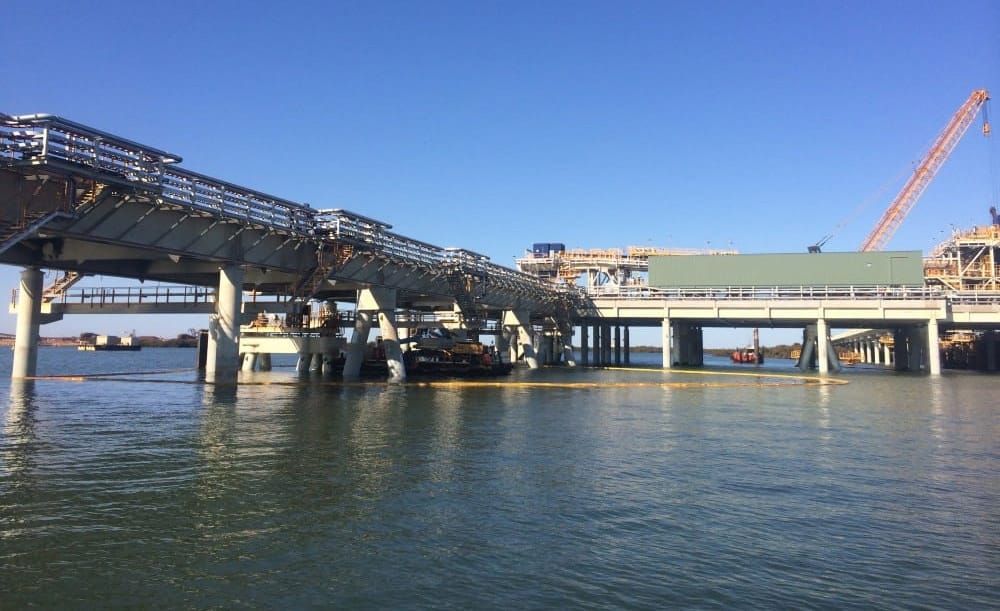
Design deployment around launch access
The right deployment system is shaped by where crews can launch, recover, inspect, wash down and store equipment safely.
Deployment System Options
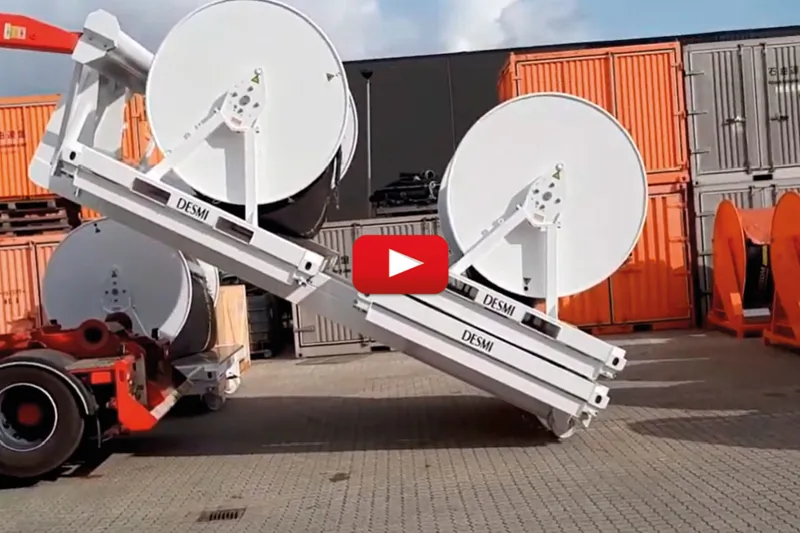
Boom Storage and Deployment Reels
Keep boom systems organised, protected and ready to deploy from a wharf, hardstand, trailer or vessel.
Discuss Boom Reels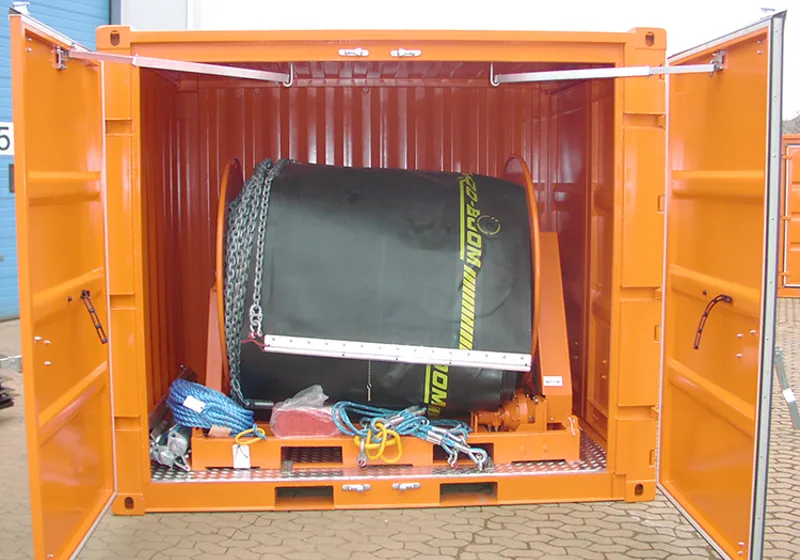
Hydraulic Reels and Power Packs
Reduce manual handling and support faster deployment and recovery of larger boom systems.
Discuss Hydraulic Systems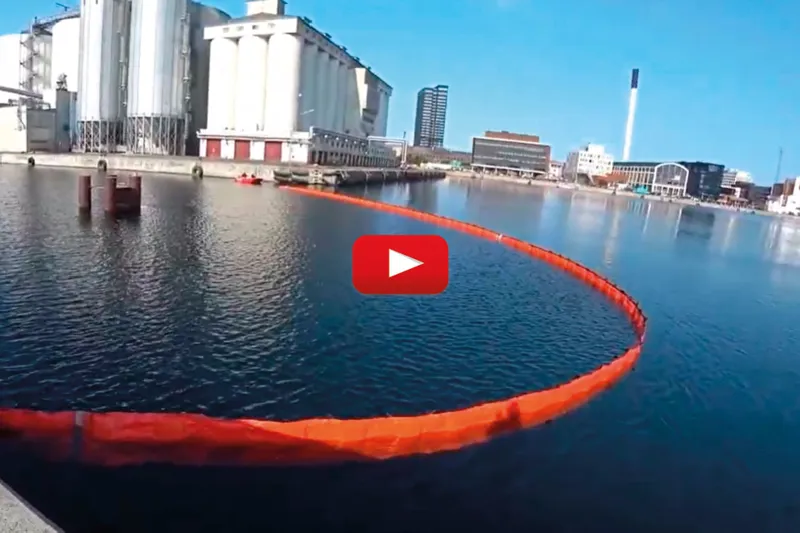
Trailer-Mounted Systems
Support mobile response across ports, terminals and industrial sites with multiple launch points.
Discuss Trailer Systems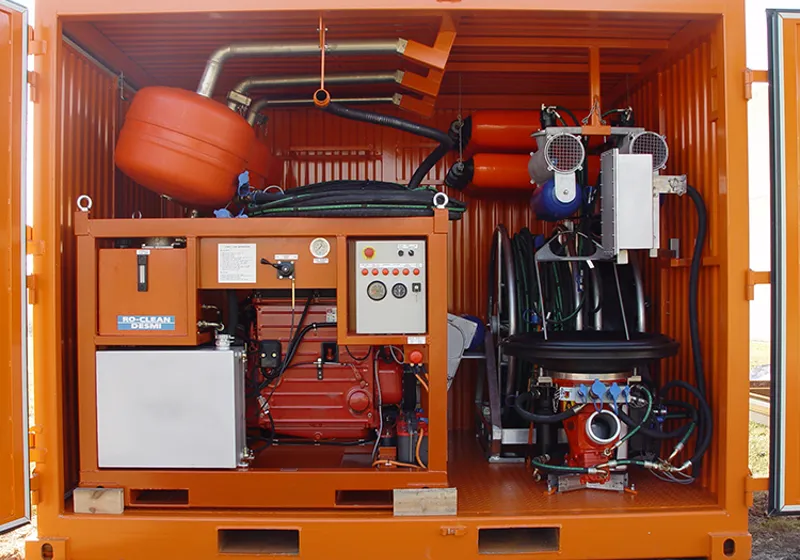
Containerised Response Systems
Combine protected storage, transport and mobilisation for remote sites or larger response inventories.
Discuss Containerised Systems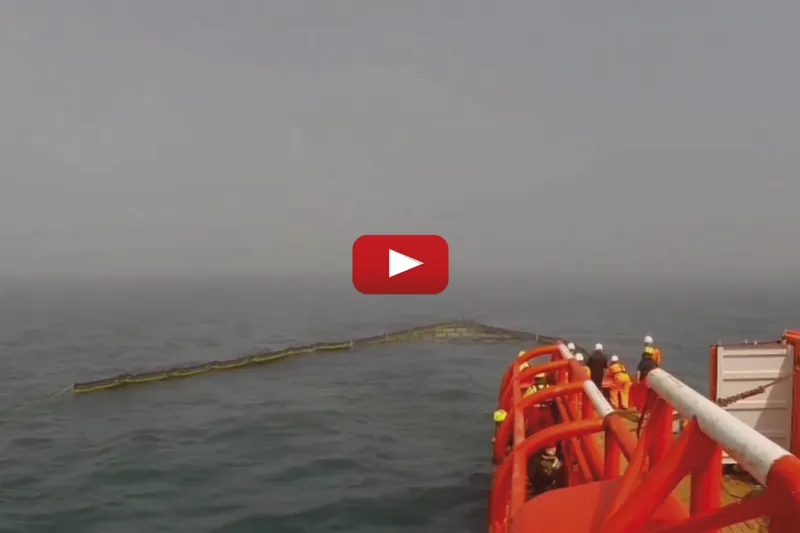
Vessel Deployment and Recovery
Configure boom reels, sweep systems, launch frames and recovery equipment around vessel capability.
Discuss Vessel DeploymentWhat We Need to Confirm
- Equipment type, size and total deployment weight
- Storage location and available footprint
- Wharf, shoreline, trailer or vessel deployment
- Available crew and manual-handling limits
- Target mobilisation and response time
- Power, hydraulic and lifting resources available
- Road transport, freight and remote-site constraints
- Inspection, washdown and storage after use
Site plans, access photos, vessel details and the intended equipment list help narrow down a practical deployment arrangement before quoting.
Helpful before we quote
A launch-point photo, basic site layout and an idea of boom size or deployment weight usually speed up deployment system selection dramatically.
How This Fits Into the Oil Spill Response Chain
Deployment is the first operational stage in a mechanical oil spill response. Reels, trailers, vessel systems and containers should be chosen around launch path, crew limits, transport method and recovery procedure.
See Mobile Deployment Equipment in Operation
This official DESMI video shows mobile deployment equipment designed to help crews position and launch boom systems faster for immediate response.
Information That Helps Confirm the Right Deployment System
A few site details help confirm whether reels, trailers, containers or vessel-supported systems are practical for the response plan.
Deployment Format Comparison
Deployment equipment should be selected around the actual launch method, recovery method and handling limits on site, not just around storage convenience.
| Deployment format | Best fit | Main strengths | Watchpoints |
|---|---|---|---|
| Storage reels | Wharves, hardstands and fixed response locations | Organised storage, rapid staging and better protection between deployments | Launch path, lifting support and correct reel sizing |
| Hydraulic reels and power packs | Larger booms and frequent deployment/recovery cycles | Reduced manual handling and more controlled recovery | Hydraulic power, servicing and hose management |
| Trailer-mounted systems | Ports, terminals and industrial sites with multiple launch points | Mobility, integrated transport and fast repositioning | Tow access, launch terrain and loading limits |
| Containerised systems | Remote projects, larger stockholdings and regional mobilisation | Protected storage, consolidated freight and easier spares management | Freight dimensions, lifting equipment and inspection access |
| Vessel-supported deployment | Tugs, workboats, harbour craft and offshore support | Direct on-water launch and faster recovery around vessel operations | Deck space, davits or cranes, crew workflow and washdown arrangements |
Where response packages are larger or more specialised, training, inspection planning and practical post-use storage often matter just as much as the initial launch method.
Part of the Complete Recovery Chain
Deployment systems should be planned with the containment boom, skimmer, transfer pump, hydraulic power pack, hose set and temporary storage pathway. Trade Enviro can help source these components as a coordinated equipment package rather than a collection of disconnected products.
Deployment Systems for Australia, PNG and the Pacific
Remote and regional projects need additional consideration for freight dimensions, container access, spare parts, storage conditions and the crew available to deploy the equipment. These details can be considered during equipment selection and quotation.
Practical Support for Deployment Readiness
Trade Environmental can help confirm how deployment equipment will be launched, recovered, cleaned, stored and maintained so the system is practical for the people who need to use it.
Support items to confirm
- Launch location, access restrictions and storage footprint
- Boom length, reel capacity and recovery method
- Training, maintenance and mobilisation procedures
- Documentation for emergency plans and procurement teams
Deployment System FAQs
When do I need a boom reel instead of manual storage?
Are hydraulic reels only for large marine systems?
When is a trailer-mounted deployment system the better choice?
Can deployment systems be configured for PNG or remote Pacific projects?
Explore Related Oil Spill Response Equipment
Trade Enviro can help configure DESMI-backed spill response systems that combine containment, recovery, pumping, deployment and temporary storage around the site conditions, water body and response objective.