
Temporary Storage for Recovered Oil and Oily Water
Once oil, fuel or hydrocarbons have been contained and recovered, the liquid or contaminated material needs somewhere to go.
Temporary storage tanks and bladders provide a practical holding option before transfer, treatment or disposal. They may be used with oil skimmers, pumps, vacuum recovery equipment, hose sets and containment boom setups.
Storage is often the bottleneck in spill response. Recovered oil, oily water and contaminated material need a practical holding pathway before they can be transferred, treated or disposed of.
The right storage option depends on the liquid type, expected volume, site access, deployment method, ground conditions and whether storage is required on land, on a vessel or in water.
Plan storage before recovery starts
Temporary storage needs to match recovered-liquid volume, site footprint, transport access, handling limits and disposal pathway.
Temporary Storage Options
Portable Framed Storage Tanks
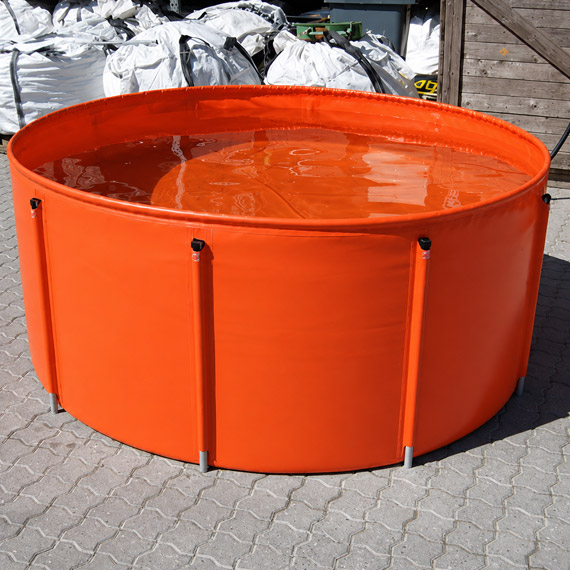
Portable framed tanks are used when a temporary open-top storage option is needed on land.
They may be suitable for recovered oil, oily water, wastewater, oiled absorbents, contaminated materials and decontamination tasks, depending on the application.
Suitable DESMI Ro-Clean options may include TROILTANK, depending on site requirements.
Best for: temporary recovered liquid storage, spill response stores, decontamination areas, industrial sites and remote-site preparedness.
Discuss Portable Tanks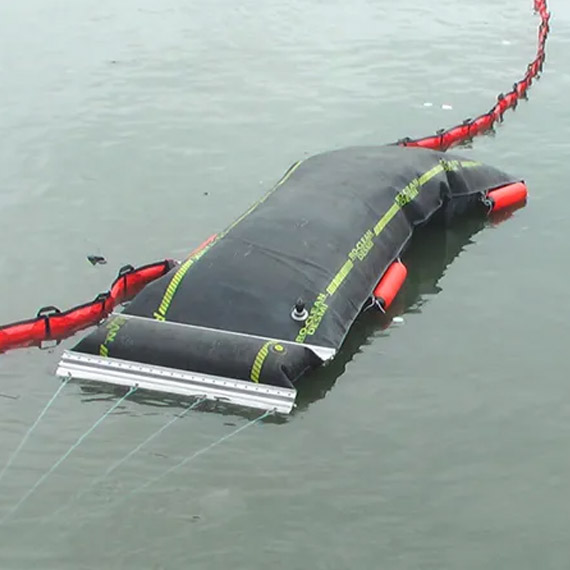
Flexible Storage Tanks & Bladders
Flexible storage tanks and bladders are useful where compact storage, transport and deployment are important.
Depending on the system, they may be used on land or floating in water with the correct supporting equipment. These tanks can support recovery operations where oil, oily water or other compatible liquids need to be held temporarily.
Suitable DESMI Ro-Clean options may include RO-TANK, depending on the application.
Best for: recovered oil, oily water, marine recovery, vessel support, remote storage and projects where compact empty storage matters.
Discuss Flexible StorageVacuum Recovery Tanks
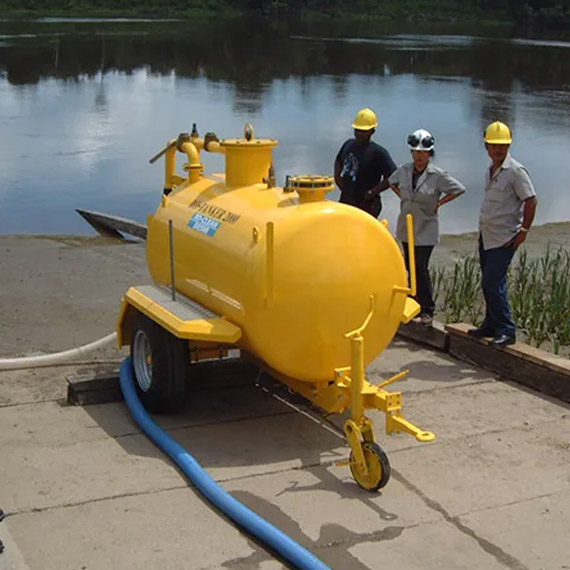
Vacuum recovery tanks are used where recovered liquid needs to be collected, held and transferred as part of a vacuum recovery or site clean-up process.
They may be suitable for oily liquid recovery, onshore clean-up works, pump-out tasks and applications where collection and discharge need to be considered together.
DESMI Ro-Clean options may include RO-TANKER or RO-VAC systems, depending on the recovery method, site access and pumping requirements.
Best for: vacuum recovery support, oily liquid transfer, onshore recovery, site clean-up and applications where collection, storage and discharge are part of the same process.
Discuss Vacuum Recovery TanksCommon Applications
Temporary storage tanks and bladders may be used for:
- Oil spill response
- Marine and harbour recovery projects
- Fuel-transfer and bunkering risk areas
- Industrial ponds and process water areas
- Mining and remote industrial sites
- PNG and Pacific island operations
- Onshore spill recovery
- Recovered oil and oily water holding
- Temporary storage of oiled absorbents or contaminated materials
- Decontamination of small equipment or response gear
Temporary storage is often overlooked until after containment and recovery equipment has been selected. For larger risks, it should be considered early so that recovered liquids and contaminated materials can be managed safely and practically.
Choosing the Right Temporary Storage Option
The right storage system depends on the site, liquid type, expected volume and how the recovered material will be handled after collection.
Before quoting, Trade Enviro will usually need to confirm:
- Site location
- Whether storage is required on land, on a vessel or in water
- Expected liquid type: oil, oily water, wastewater or contaminated runoff
- Estimated volume
- Whether oiled absorbents or contaminated materials also need storage
- Pumping method and hose connection requirements
- Access for vehicles, vessels or lifting equipment
- Ground conditions and available setup area
- Temporary, emergency or project-based use
- Transport and storage requirements when empty
- Disposal, transfer or treatment pathway
This helps confirm whether a framed tank, flexible tank, bladder, collapsible tank, vacuum tanker or other storage option is the better fit.
How This Fits Into the Oil Spill Response Chain
Temporary storage keeps a recovery operation moving once equipment is deployed, oil is contained and recovered liquid starts transferring from skimmers or collection points. Capacity, footprint, transport method and waste handling requirements should be matched before mobilisation.
Storage Choice Depends On
Storage Format Comparison
Temporary storage is not just about volume. The storage format needs to suit the recovered liquid, transfer method, available footprint and how fast the equipment must be mobilised.
| Storage format | Best fit | Main watchpoints |
|---|---|---|
| Portable framed tanks | Response trailers, depots, ports and shore-based recovery zones needing fast setup | Footprint, liner protection, setup area and washdown |
| Flexible tanks and bladders | Containerised inventories, remote freight and sites with variable layout or higher temporary volume | Ground preparation, filling control, product compatibility and inspection |
| Vacuum recovery tanks | Integrated recovery packages where fast collection and temporary holding need to work together | Tank capacity, transport approvals and disposal pathway |
Temporary oil storage should be confirmed together with skimmers, pumps, hose runs and disposal planning so the recovery chain does not bottleneck in the field.
Works With Skimmers, Pumps and Booms
Temporary storage is usually one part of the wider oil recovery chain.
A complete equipment setup may also include:
- Oil containment booms
- Oil skimmers
- Pumps and hose sets
- Hydraulic power packs
- Vacuum recovery equipment
- Spill kits and absorbents
- PPE and disposal consumables
- Trailers, reels or containerised deployment equipment
Trade Enviro can help source storage equipment that matches the broader containment and recovery requirement, without overcomplicating the equipment selection process.
Temporary Storage for Australia, PNG and the Pacific
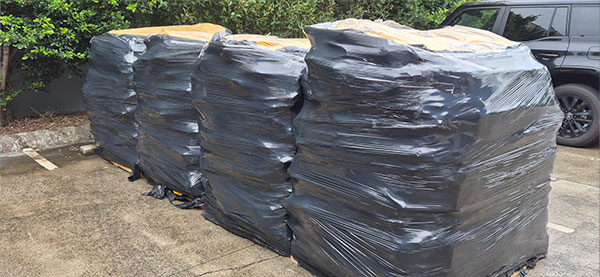
Trade Enviro supports temporary storage enquiries for Australia, PNG and Pacific-region projects.
Regional and remote sites often need extra consideration around freight, compact storage, deployment speed, crew capability, weather exposure, site access, available pumps and the final disposal or transfer pathway.
Send through your site details, photos or plans and we can help narrow down suitable storage options before quoting.
Request Storage Advice
Tell us about your site, recovered liquid type and expected storage volume. Trade Enviro can help confirm suitable temporary storage tank or bladder options.
Useful details include:
- Site location
- Liquid type
- Estimated volume
- Site photos or drawings
- Access conditions
- Pump or hose requirements
- Whether containment booms or skimmers are also required
- Disposal, transfer or treatment pathway
Temporary Storage FAQs
What are temporary oil storage tanks used for?
Temporary oil storage tanks are used to hold recovered oil, oily water, wastewater or contaminated materials before transfer, treatment or disposal.
When do I need temporary storage?
Temporary storage may be needed when oil, fuel or oily water has been recovered from water or a spill site and cannot be immediately transferred, treated or disposed of.
What type of temporary storage do I need?
The right option depends on the liquid type, expected volume, site access, deployment method, ground conditions and whether storage is needed on land, on a vessel or in water.
Can storage tanks be used with oil skimmers?
Yes. Temporary storage tanks and bladders are often used with oil skimmers, pumps and hose sets so recovered oil or oily water can be transferred into a holding system.
Explore Related Oil Spill Response Equipment
Trade Enviro can help configure DESMI-backed spill response systems that combine containment, recovery, pumping, deployment and temporary storage around the site conditions, water body and response objective.