Oil Recovery Equipment for Spill Response
Oil skimmers recover floating oil from the water surface so it can be transferred to storage, treatment or disposal.
Trade Enviro can help specify DESMI-backed oil skimmer systems for ports, harbours, industrial ponds, rivers, nearshore environments, mining sites, fuel-transfer areas and remote Australia, PNG or Pacific projects.
The right skimmer depends on oil type and viscosity, debris, water movement, access, required recovery rate, pump support, discharge distance and the temporary storage pathway.
Oil Skimmer Options
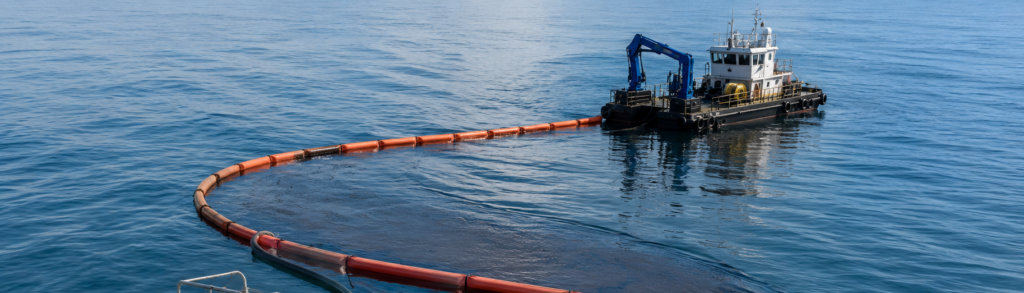
Recover oil in the conditions on site
Skimmer performance depends on oil type, debris, water movement, access, pump support and where recovered liquid will be stored.
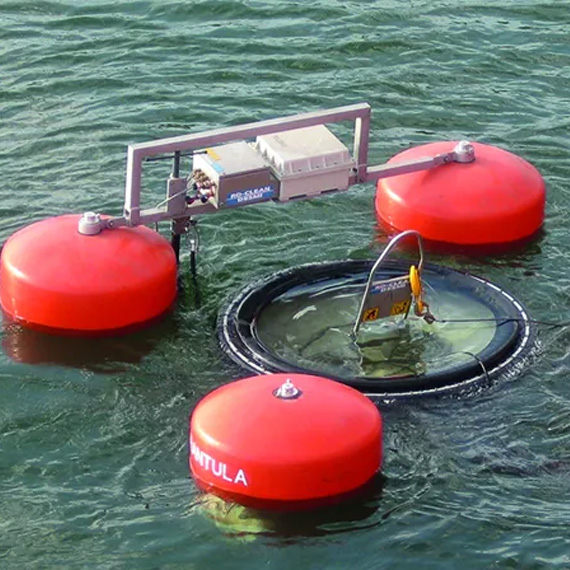
Weir Oil Skimmers
For recovering floating oil from contained spill zones, ports, ponds, rivers and industrial water areas.
Suitable DESMI Ro-Clean options include: Tarantula, Tarantula XL, Terminator, RO-SKIM, Termite, Mini-Max, Terrapin and RO-WEIR, depending on site conditions.
Discuss Weir Skimmers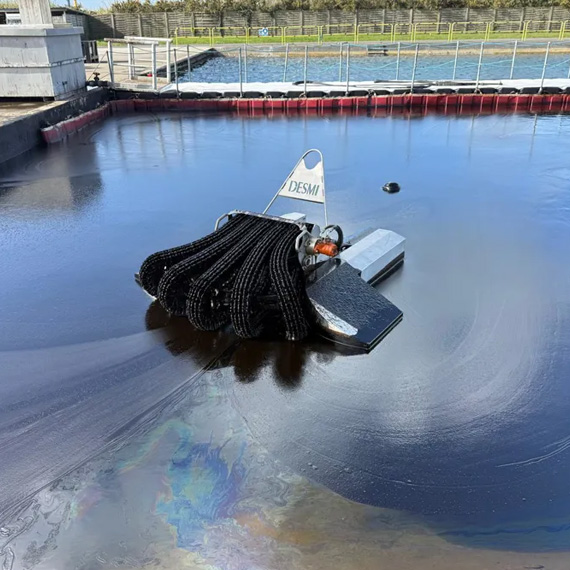
Brush, Disc & Belt Oil Skimmers
For recovery situations where oil type, water movement, debris or response conditions require a more specialised skimming method.
Suitable DESMI Ro-Clean options include: Octopus LSFO, Giant Octopus, Octopus In-Line, Helix, Alligator, DBD skimmers, Belt Skimmer, Polar Bear Ice Skimmer, SeaMop and Ro-Mop 140, depending on the application.
Discuss Skimmer Options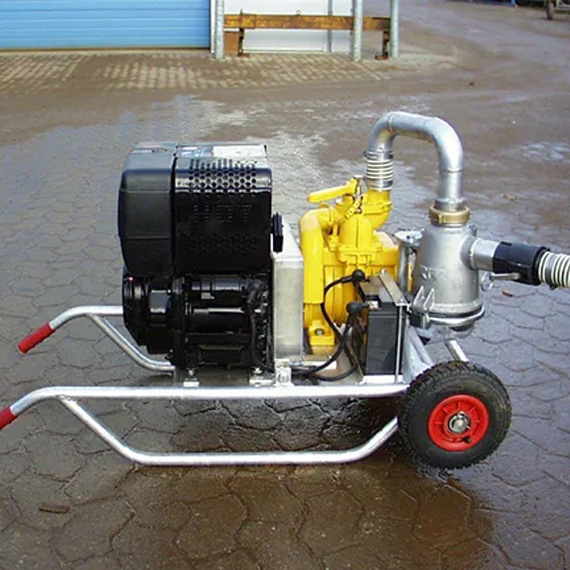
Suction / Vacuum Oil Skimmers
For accessible recovery from pits, tanks, shorelines, ponds and site-based spill areas where oil or oily liquid can be collected by suction or vacuum.
Suitable DESMI Ro-Clean options include: RO-VAC and RO-VAC Mini, depending on the site and recovery requirement.
Discuss Suction SkimmersCommon Applications
Oil skimmers may be used for:
- Marine oil spill response
- Offshore and nearshore recovery
- Ports, harbours and terminals
- Industrial ponds and process water areas
- Rivers and moving water
- Fuel-transfer and bunkering areas
- Mining and remote industrial sites
- PNG and Pacific island operations
- Onshore oil recovery
- Emergency response and spill preparedness
Different sites require different skimmer types. Oil type, viscosity, water movement, debris, access, pumping distance and storage requirements all affect the right equipment choice.
Choosing the Right Oil Skimmer
The right oil skimmer depends on the spill environment, oil type and recovery objective. Before quoting, Trade Enviro will usually need to confirm:
- Site location
- Water type: offshore, nearshore, port, pond, river, industrial or onshore
- Oil, diesel, fuel or hydrocarbon type
- Oil thickness or viscosity if known
- Expected spill volume or recovery rate
- Whether oil is already contained by boom
- Current, tide, wind or wave exposure
- Debris, sediment or floating material present
- Pumping distance and hose requirements
- Power pack or hydraulic requirements
- Temporary storage requirements
- Site access, vessel access or available crew
This helps confirm whether the project needs a simple skimmer, a more specialised recovery system, or a complete package with boom, skimmer, pump and storage.
How This Fits Into the Oil Spill Response Chain
Skimmers sit at the recovery stage of the response chain after equipment is deployed and the spill area is contained. Selection depends on oil type, debris, water movement, access, pump compatibility and where recovered liquids will be stored.
See the DESMI Octopus LSFO Skimmer in Operation
This official DESMI video shows the Octopus LSFO skimmer in action, giving buyers a clearer view of how skimmer equipment performs during the recovery stage.
Skimmer Choice Depends On
Skimmer Type Comparison
The right oil skimmer depends on the oil type, viscosity, debris loading, water movement and how recovered product will be pumped away from the skimmer.
| Skimmer type | Best fit | Main watchpoints |
|---|---|---|
| Weir skimmers | Broad floating hydrocarbon recovery where product forms a workable surface layer | Free water pickup, wave action and transfer capacity |
| Brush, disc and belt skimmers | Heavier oils and selective surface recovery where viscosity is higher | Cleaning, drive system support, debris and maintenance access |
| Suction and vacuum skimmers | Industrial pits, ponds, drains and targeted recovery points with tighter access | Suction lift, solids handling, hose routing and recovered-water ratio |
Final skimmer selection should be checked alongside pump choice, hose length, temporary storage and deployment method so the recovery chain works as one system.
Oil Skimmers for Australia, PNG and the Pacific
Trade Enviro supports oil skimmer enquiries for Australia, PNG and Pacific-region projects.
Regional and remote sites often need extra consideration around freight, storage, spare parts, crew capability, response time, site access, available vessels, power requirements and temporary recovered-oil storage.
Send through your site details, photos or plans and we can help narrow down the suitable skimmer type and supporting equipment before quoting.
Beyond Skimming
An oil skimmer is usually one part of the recovery chain.
A complete oil spill recovery setup may also include:
- Oil containment booms
- Transfer pumps, hydraulic power packs, hose sets and fittings
- Temporary storage tanks or bladders
- Spill kits and absorbents
- Trailers, reels or containerised deployment equipment
Trade Enviro can help source practical containment and recovery equipment packages for marine, industrial and regional spill response applications.
Oil Skimmer FAQs
What is an oil skimmer?
An oil skimmer is equipment used to recover floating oil, diesel, fuel or hydrocarbons from the surface of water. Skimmers are commonly used after oil has been contained with booms or barriers.
When do I need an oil skimmer?
You may need an oil skimmer when oil or fuel has entered water and needs to be physically recovered rather than only absorbed or contained. This may apply to ports, ponds, rivers, industrial water areas, fuel-transfer sites and marine spill response applications.
Do I need an oil boom before using a skimmer?
In many situations, yes. Oil containment booms are often used first to control and concentrate floating oil before skimming begins. The boom helps keep the oil in a workable area so the skimmer can recover it more effectively.
What type of oil skimmer do I need?
The right oil skimmer depends on the water body, oil type, oil thickness, debris, access, recovery rate, pumping distance and temporary storage requirements. Trade Enviro can help narrow down suitable skimmer options based on your site conditions.
Can oil skimmers be used in industrial ponds?
Yes. Oil skimmers may be suitable for industrial ponds, pits, process water areas and treatment zones where floating oil or hydrocarbons need to be recovered from water. The right skimmer depends on access, liquid type, debris and site setup.
Can Trade Enviro assist with PNG or Pacific-region projects?
Yes. Trade Enviro can assist with oil skimmer enquiries for Australia, PNG and Pacific-region projects. Remote sites may need extra consideration around freight, storage, pumps, hoses, power supply, spare parts and temporary recovered-oil storage.
Explore Related Oil Spill Response Equipment
Trade Enviro can help configure DESMI-backed spill response systems that combine containment, recovery, pumping, deployment and temporary storage around the site conditions, water body and response objective.