
Move Recovered Oil Through the Response Chain
Oil spill pumps and power packs move recovered oil, oily water and hydrocarbons from skimmers or collection points into temporary storage, transfer tanks or downstream treatment.
Trade Enviro can help specify DESMI-backed pumps, power packs, hoses and fittings around the recovered liquid, skimmer type, hose route, elevation change, discharge distance and available site power. Pump selection should support the whole recovery chain, not sit apart from it.
Pump packages usually need to match
- the liquid type and expected viscosity
- the skimmer recovery rate and discharge method
- available hydraulic or power support
- hose length, elevation change and storage destination
What the Pump Package Needs to Match
Recovery rate
Keep pump capacity aligned with the skimmer so recovered product can be moved without slowing the system.
Liquid behaviour
Recovered oil, oily water and higher-viscosity hydrocarbons place different demands on pump style, hose sizing and fittings.
Power and distance
Transfer length, elevation change and available power support can all reshape the practical pumping arrangement.
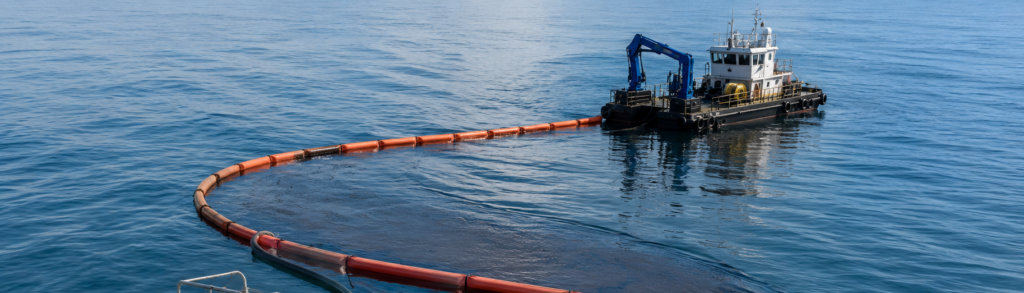
Connect recovery to storage
Pump and power-pack selection should follow the full transfer path from skimmer to hose run, elevation change and temporary storage.
Pump and Power Pack Options
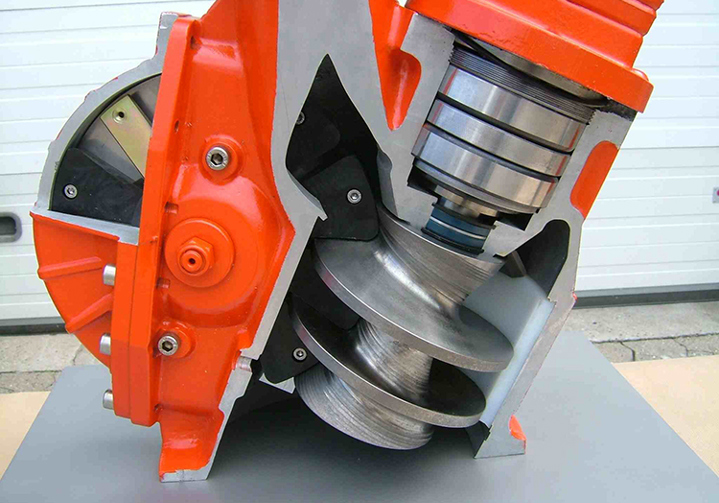
DESMI DOP Pumps
Configure hydraulic and submersible pump options for oil, oily water and higher-viscosity recovery applications.
Discuss DOP Pumps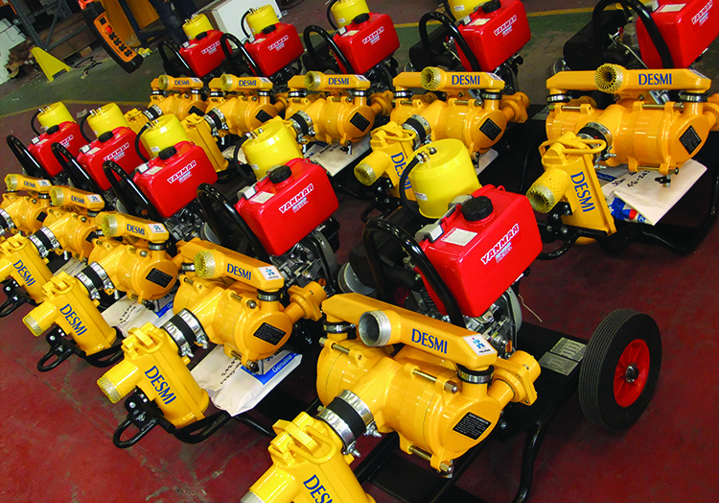
Recovery and Transfer Pumps
Move recovered liquid from skimmers and collection points into tanks, bladders or downstream treatment equipment.
Discuss Transfer Pumps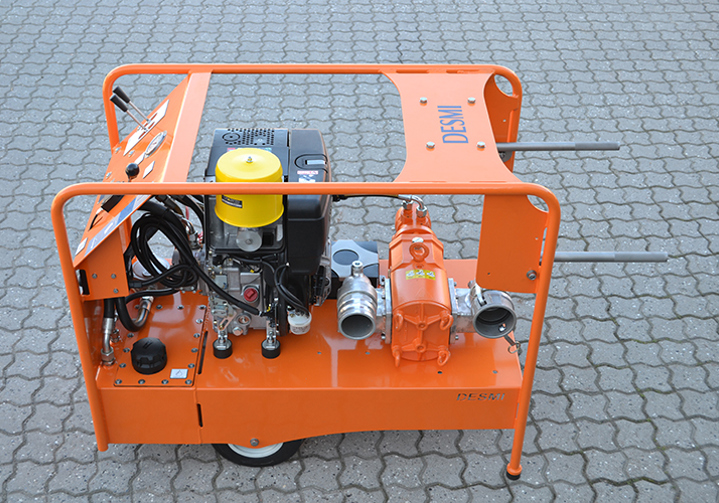
Hydraulic Power Packs
Support skimmers, reels and pump systems with hydraulic power matched to flow, pressure and operating duration.
Discuss Power Packs
Hose Sets, Fittings and Accessories
Complete the transfer pathway with compatible hoses, couplings, strainers, controls and practical spare parts.
Discuss Hose SetsPump Selection Factors
- Oil, fuel or oily-water type and expected viscosity
- Required transfer or recovery rate
- Debris, solids or emulsified-liquid content
- Suction lift, hose length and discharge head
- Available hydraulic or electrical power
- Skimmer connection and temporary storage destination
- Portability, lifting and deployment method
- Remote-site servicing and spare-parts requirements
How This Fits Into the Oil Spill Response Chain
Pump and power-pack selection connects the skimmer to temporary storage after equipment has been deployed, the spill contained and oil recovered. The package has to match oil condition, discharge distance, hose diameter, hydraulic requirements and site access.
See Pumps and Pump Sets in Operation
This DESMI video section shows pump and pump-set equipment used to move recovered oil and oily water through the transfer stage of the response chain.
Information That Helps Confirm the Right Pump Package
A few operating details help confirm pump capacity, hose compatibility, power-pack requirements and the connection to temporary storage.
Pump and Power Pack Comparison
The limiting factor is usually not the pump name alone. It is whether the pump, hydraulic supply, hose run and storage pathway all suit the recovered liquid and the required recovery rate.
| Pump approach | Best fit | Handles well | Main watchpoints |
|---|---|---|---|
| DOP and submersible recovery pumps | Portable oil spill recovery and oily-water transfer | Higher flow recovery, mobile deployment and skimmer support | Power supply, hose routing, debris limits and lift requirements |
| Transfer and recovery pumps | Moving recovered product from skimmer to tank or treatment stage | Continuous transfer over practical hose runs | Suction lift, discharge head, viscosity and coupling compatibility |
| Hydraulic power packs | Running skimmers, reels and hydraulic pump systems | Coordinated field operation where electric power is limited | Duty cycle, heat, servicing and power matching |
| Hose sets, fittings and accessories | Connecting the full recovery chain | Fast setup, practical routing and equipment compatibility | Friction losses, connection standards and spill control at joins |
Trade Enviro can help match pumps and power packs to the skimmer type, expected oil viscosity, suction and discharge distances, available power and the temporary storage arrangement before quoting.
Connect the Skimmer to Storage
The pump should be selected as part of the full system: containment boom, oil skimmer, pump, power pack, hoses and temporary storage. A mismatch between any of these components can limit the recovery rate or create an operational bottleneck.
What to Send for Pump Selection
- Liquid type and estimated viscosity
- Required flow rate or recovery expectation
- Suction and discharge distances
- Elevation change through the transfer path
- Available hydraulic, electric or other power support
- Skimmer model and intended temporary storage destination
Photos or a simple system sketch are especially useful where hose routing, fittings or access are uncertain.
Helpful before selection
If you already know the skimmer, storage format and discharge distance, pump and power-pack selection becomes much faster and more accurate.
Practical Support for Pump Readiness
Trade Environmental can help confirm how the pump, power pack, hose run, skimmer and storage connection need to work together before equipment is selected.
Support items to confirm
- Hydraulic flow and pressure requirements
- Hose lengths, couplings and storage connection
- Spares, maintenance access and operator training
- Documentation for response plans and procurement files
Pump and Power Pack FAQs
Do I always need a hydraulic power pack with an oil spill pump?
Why do hose length and elevation matter so much?
Can one pump handle oily water and heavier hydrocarbons?
Can Trade Enviro help select pumps as part of a complete recovery system?
Explore Related Oil Spill Response Equipment
Trade Enviro can help configure DESMI-backed spill response systems that combine containment, recovery, pumping, deployment and temporary storage around the site conditions, water body and response objective.